
The long-term effects of childhood trauma reach far beyond the years they happened in. Early traumatic experiences can reshape brain development, disrupt the body’s stress response, and influence mental health, physical health, and relationships well into adulthood. Below, we break down exactly how and why these effects last, and what can be done to address them.
It starts before age 6, when the brain is still forming. Trauma at this stage hits harder than it would at any other point in life. The effects do not stay in childhood. They follow a person into adulthood. Anxiety, depression, heart disease, addiction, and broken relationships all connect back to early trauma.
At Placid Psychiatry in Fullerton, CA, our team, led by Jaehyun Cho, PA-C, who brings over 10 years of combined experience in psychiatric and general medicine, sees this pattern every day. The reason these effects are so serious is simple.
What Is Early Childhood Trauma?
Childhood trauma isn’t one single thing, it can take different forms depending on how it happens and how long it lasts. Acute trauma comes from a single distressing event, like an accident. Chronic trauma involves repeated exposure to distressing situations, such as ongoing neglect or domestic conflict. Complex trauma results from multiple, often interpersonal traumatic experiences over time. Recognizing which type a person experienced can help shape the right approach to treatment.
What Are Adverse Childhood Experiences (ACEs)?
Adverse Childhood Experiences, or ACEs, are a specific set of potentially traumatic events used by researchers and clinicians to measure childhood trauma exposure, including abuse, neglect, and household dysfunction like domestic violence or parental substance use. According to the CDC, approximately 64% of adults in the U.S. report experiencing at least one ACE before age 18, and nearly 1 in 6 report four or more. People with four or more ACEs face significantly higher risks of chronic disease, mental illness, and early death compared to those with none. An ACE score isn’t a diagnosis, it’s a starting point for understanding how past experiences may be shaping present health.
Why Childhood Trauma Has Long-Term Effects
Childhood trauma has long-term effects because it hits the brain at its most vulnerable stage. The brain does not just experience trauma. It builds itself around it.
How Trauma Affects Brain Development
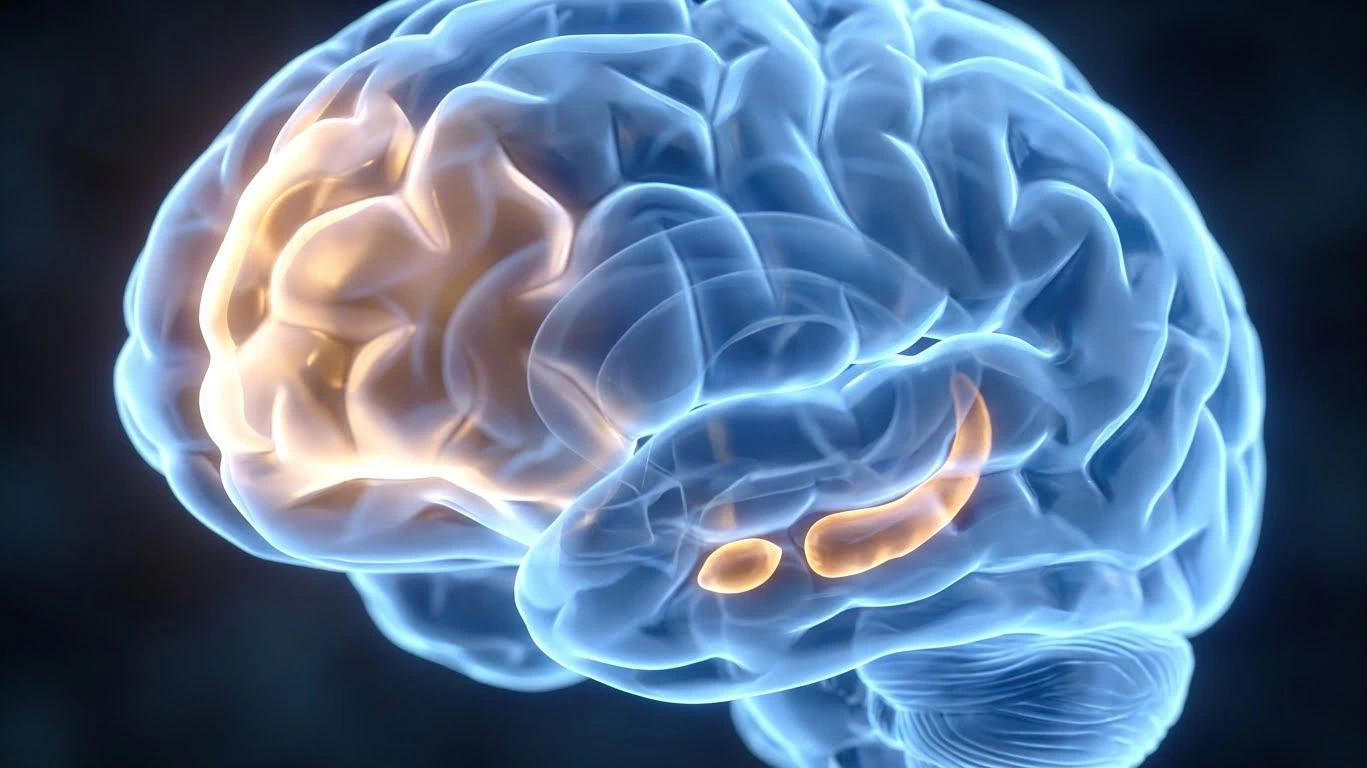
The brain develops very quickly during the first five years of life. Trauma during this time can affect how important parts of the brain grow and function. The prefrontal cortex helps control emotions and decisions, the amygdala responds to fear, and the hippocampus handles memory.
Research from the National Institute of Mental Health shows that repeated activation of the stress response in early childhood can alter the structure of the amygdala and hippocampus.
Why the Prefrontal Cortex Is Especially Vulnerable
Unlike other brain regions, the prefrontal cortex doesn’t finish developing until around age 25. This means it stays vulnerable to stress and trauma for two full decades after early childhood, far longer than most people realize. When trauma disrupts this region early on, the effects can compound through adolescence and into early adulthood, which is part of why childhood trauma so often shapes decision-making, impulse control, and emotional regulation well into a person’s late 20s.
Toxic Stress and the Nervous System
Normal stress activates the body’s fight-or-flight response for a short time. Toxic stress keeps this response active for too long. As a result, stress hormones like cortisol and adrenaline are released repeatedly. Over time, this can overwork the nervous system and keep the body in a constant state of alert.
Survival Responses Formed in Childhood
Children who grow up in unsafe environments develop survival responses. They learn to stay alert, shut down emotions, avoid conflict, or fight back. These responses protect them as children. As adults, the same responses cause problems in relationships, work, and daily life.
Why Unresolved Trauma Continues Into Adulthood
Unresolved trauma does not go away on its own. The brain continues to respond to past danger as if it is still happening. Even simple triggers like a smell, sound, or tone of voice can cause a strong stress reaction in adulthood. Without proper treatment, this cycle can continue for many years.
Emotional and Psychological Effects of Childhood Trauma
Childhood trauma affects the way a person thinks, feels, and sees the world long after the event is over. Children who go through painful or frightening experiences often grow up struggling with anxiety, depression, low self-worth, and difficulty managing their emotions. The brain learns to stay in survival mode, which can lead to constant fear, emotional outbursts, or complete emotional numbness.
The psychological impact goes deeper than just mood. Trauma shapes how a person connects with others, how much they trust themselves, and how they handle everyday stress. It can lead to PTSD, attachment problems, negative thought patterns, and in some cases substance use as a way to cope. With the right support and professional help, many trauma survivors go on to build stable, healthy, and fulfilling lives.
Long-Term Physical Health Effects of Childhood Trauma
The effects of childhood trauma aren’t only emotional, they show up in the body too. Chronic activation of the stress response floods the body with cortisol and adrenaline, which over time can increase inflammation and wear down the immune system. Research on Adverse Childhood Experiences links high ACE scores to higher rates of heart disease, stroke, diabetes, autoimmune conditions, chronic pain, and even shorter life expectancy. This is one reason trauma-informed care matters, addressing the psychological root can also improve long-term physical health outcomes.
How Childhood Trauma Affects Adult Relationships
Childhood trauma changes how a person learns to trust, connect, and feel safe with others. When early experiences involve hurt, neglect, or instability, the brain begins to expect the same from every relationship that follows. This can show up as fear of getting too close, constant need for reassurance, difficulty setting boundaries, or pushing people away before they get the chance to leave first.
A trauma survivor may deeply want close relationships but sabotage them without understanding why. Arguments feel more intense, small rejections feel devastating, and trusting a partner can feel almost impossible. Recognizing that these responses come from past pain, not present reality, is usually the first step toward building healthier connections.
Signs of Unresolved Childhood Trauma in Adults
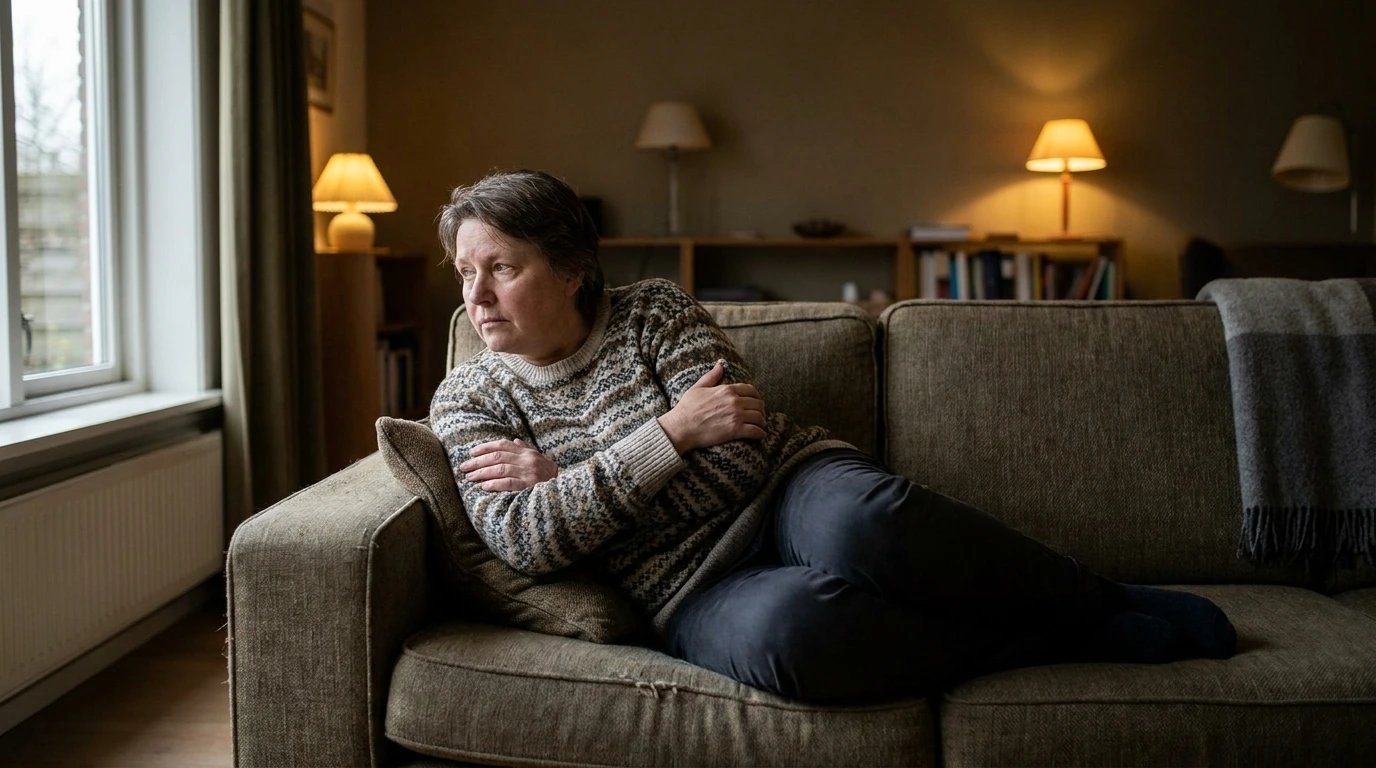
Unresolved childhood trauma does not disappear. It shows up in behavior, reactions, and thought patterns that most people do not connect back to their past.
Hypervigilance and Emotional Triggers
Constantly scanning for danger, overreacting to normal situations, and feeling on edge without a clear reason can all be signs of unresolved trauma. In these cases, the nervous system never fully learned to relax after childhood.
Avoidance and Dissociation
Avoiding people, places, or situations that feel triggering is common in trauma survivors. Dissociation is also common, which means mentally shutting down or feeling disconnected from your own body during stressful moments.
People-Pleasing or Controlling Behavior
Some trauma survivors develop people-pleasing habits to avoid conflict, while others become controlling to feel safe. Both patterns come from the same root cause: growing up in an environment where safety depended on managing other people’s emotions.
Difficulty Feeling Safe or Connected
Feeling constantly unsafe, lonely, or disconnected even in good circumstances can be a sign of unresolved trauma. Safety may feel unfamiliar because the nervous system never fully learned what it feels like.
Can The Long-Term Effects of Childhood Trauma Be Reversed
Research shows that the long-term effects of childhood trauma are not permanent and can be significantly reduced with the right support and treatment. Therapies like cognitive behavioral therapy, EMDR, and trauma-focused counseling have strong track records of helping people process past trauma, rewire negative thought patterns, and rebuild a healthier sense of self.
Recovery is not linear and it looks different for everyone. Some people see significant improvement within months of starting therapy while others need longer term support. Factors like the severity of the trauma, the age it occurred, and the strength of a person’s support system all affect the healing process. But healing is absolutely possible, and many people who experienced childhood trauma go on to live full, healthy, and connected lives.
Effective Treatments for Childhood Trauma
Childhood trauma is serious but it is treatable. Several therapy approaches have shown strong results for trauma survivors. Cognitive Behavioral Therapy helps people identify and change the negative thought patterns that trauma creates. EMDR, which stands for Eye Movement Desensitization and Reprocessing, helps the brain process painful memories so they lose their emotional charge.
The most important step is reaching out to a licensed mental health professional who specializes in trauma. Support groups, consistent therapy, and building a stable daily routine all play a role in recovery. Every person heals at their own pace, and that is completely okay. What matters most is that help is available and no one has to go through the process alone.
When to Seek Professional Help
If past experiences are making daily life harder, that is reason enough to seek help. Constant anxiety, unexplained sadness, trouble sleeping, emotional outbursts, or feeling disconnected from yourself and others are all signs that something deeper needs attention. Many people wait too long because they feel their pain was not serious enough to deserve support. It was and it is. You do not need to be in crisis to see a therapist. If your relationships feel unstable, your self-worth feels low, or you are using something to numb how you feel, a trauma-informed professional can help. It is the first and most important step toward feeling better.
Not Sure Where to Start With Healing?
The best way to understand your situation is through a professional evaluation. At Placid Psychiatry, Jaehyun Cho, PA-C, a board-certified provider with a Certificate of Added Qualifications in Psychiatry, offers compassionate, trauma-informed care designed to help you explore your experiences, understand your symptoms, and find the right path forward. If childhood trauma is affecting your daily life, you don’t have to face it alone.
Get professional, trauma-informed support at Placid Psychiatry in Fullerton, California or access online therapy sessions across the United States. Book your consultation today and take the first step toward healing and emotional stability.
Conclusion
Childhood trauma is serious because of when it happens, during the years the brain is still being built. But the story doesn’t end there. With the right support, the brain can rewire, relationships can heal, and the nervous system can finally learn what safety feels like. Recognizing the problem is the first step. Reaching out for support is the next one.
Frequently Asked Questions
What are the long-term effects of childhood trauma on the brain?
Childhood trauma can alter the structure and function of the amygdala, hippocampus, and prefrontal cortex, regions responsible for fear response, memory, and decision-making. These changes can persist into adulthood, affecting how a person processes stress and emotion for decades.
Can the long-term effects of childhood trauma be healed?
Yes. While childhood trauma can have lasting effects, the brain retains the ability to change throughout life. Therapies like CBT, EMDR, and trauma-focused counseling have strong evidence for reducing symptoms and helping people build healthier patterns, even decades after the original trauma occurred.
How does childhood trauma affect adults years later?
Unresolved childhood trauma often resurfaces through hypervigilance, emotional triggers, difficulty trusting others, and physical health conditions like chronic inflammation or heart disease. The brain continues responding to old threats as if they’re still present until the trauma is properly processed.
What percentage of adults have experienced childhood trauma?
According to CDC data on Adverse Childhood Experiences (ACEs), roughly 64% of U.S. adults report at least one ACE before age 18, and nearly 1 in 6 report four or more, the threshold linked to significantly higher long-term health risks.
Is childhood trauma linked to physical health problems later in life?
Yes. Research on ACEs consistently links high childhood trauma exposure to increased risk of heart disease, stroke, diabetes, autoimmune conditions, and chronic pain in adulthood, largely due to prolonged stress hormone exposure during development.
At what age does childhood trauma have the most impact?
Trauma occurring before age 6 tends to have the most significant long-term impact, since this is when core brain structures governing emotion regulation and stress response are still forming. However, the prefrontal cortex continues developing until around age 25, meaning trauma during adolescence can still cause lasting effects.