
The most effective anxiety treatment depends on the type of anxiety, how severe the symptoms are, and your individual needs. Evidence-based options include Cognitive Behavioral Therapy (CBT), medication, or a combination of both. CBT is one of the most researched treatments for anxiety, while medications such as SSRIs and SNRIs may help reduce symptoms for many people.
At Placid Psychiatry in Fullerton, CA, treatment can be tailored to your symptoms, diagnosis, medical history, and treatment goals. Some people may improve with therapy alone, while others may need medication or a combination of treatments, especially when anxiety is severe or significantly affects daily life.
There is no single anxiety treatment that works best for everyone. The right approach depends on whether you have generalized anxiety disorder, social anxiety disorder, panic disorder, or a specific phobia. In this guide, you will learn which evidence-based treatments are commonly used, how CBT compares with medication, when combined treatment may be considered, and what you can do to support your recovery.
Effective Treatment for Anxiety
Effective anxiety treatment often combines proven therapies, healthy lifestyle habits, and professional support. Cognitive Behavioral Depending on the severity of symptoms, medication, regular exercise, stress management, and good sleep habits may also play an important role in reducing anxiety and improving overall well-being.
Why There Is No Single Treatment for Everyone
Anxiety disorders can affect people in different ways. Someone with a specific phobia may need a different treatment approach than someone with generalized anxiety disorder. Research shows that two treatments are often recommended as the first line of care for anxiety. The first is Cognitive Behavioral Therapy (CBT), which helps people identify and change the thought patterns and behaviors that contribute to anxiety.
Understanding Anxiety Disorders
Anxiety disorders cause persistent worry, fear, or physical tension beyond normal stress. Without proper treatment, they tend to worsen and significantly interfere with daily life over time.
What Is an Anxiety Disorder?
An anxiety disorder is a mental health condition that causes persistent fear, worry, or nervousness that becomes difficult to manage. Unlike everyday stress, these feelings can interfere with work, relationships, and daily activities.
Common Types of Anxiety Disorders
The most common anxiety disorders include Generalized Anxiety Disorder (GAD), Social Anxiety Disorder, Panic Disorder, and Specific Phobias. While each condition has its own symptoms, they all involve ongoing fear or worry that can interfere with daily life, relationships, and overall well-being.
Anxiety can affect many areas of life, including sleep, concentration, relationships, and work performance. People may start avoiding certain situations or find it difficult to complete everyday tasks. If left untreated, anxiety can also increase the risk of depression, physical health issues, and a gradual decline in overall functioning.
How Anxiety Is Diagnosed
A mental health professional diagnoses anxiety by reviewing symptoms, their duration, and their impact on daily functioning.
Symptoms Mental Health Professionals Look For
Common symptoms of anxiety include persistent worry, restlessness, difficulty concentrating, irritability, muscle tension, and sleep disturbances. Many people also experience physical symptoms such as a rapid heartbeat, shortness of breath, and dizziness, which are especially common in conditions like panic disorder and social anxiety.
Factors That Influence Treatment Decisions
Treatment decisions depend on the type and severity of anxiety, how long symptoms have been present, and whether other conditions such as depression are also involved. These factors help determine whether therapy, medication, or a combination of both is the most suitable approach for each individual.
Cognitive Behavioral Therapy (CBT): The Gold Standard for Anxiety Treatment
Cognitive Behavioral Therapy (CBT) is the most researched and widely recommended treatment for anxiety disorders. CBT helps people identify unhelpful thought patterns, question them using evidence, and replace them with more balanced and realistic thinking.
It uses behavioral techniques, such as gradually facing feared situations, to reduce avoidance and build confidence over time. Research also suggests that the benefits of CBT tend to be more durable over time compared to medication alone. CBT is effective for treating Generalized Anxiety Disorder, Social Anxiety Disorder, and Panic Disorder.
Conditions It Treats Most Effectively
Exposure therapy is most effective for Specific Phobias, Social Anxiety Disorder, Panic Disorder, and PTSD. It is widely considered a first-line treatment for these conditions and is associated with strong, long-term results when done consistently.
Most people experience a noticeable reduction in symptoms after completing a structured exposure therapy program. The results are often long-lasting, and in some cases, a few additional sessions may be helpful if symptoms reappear during stressful periods.
Anxiety Medications and When They Are Needed
Medication is not always necessary but plays an important supporting role for many people.
SSRIs and SNRIs
SSRIs and SNRIs are among the most commonly prescribed medications for anxiety disorders. They work by balancing brain chemicals that influence mood and stress responses. Most people begin to notice improvement within two to four weeks at the appropriate dosage.
Benzodiazepines
Benzodiazepines can provide rapid relief from acute anxiety symptoms, but they are typically prescribed only for short-term use due to the risk of dependence. They are not considered suitable for long-term treatment of anxiety disorders.
Other Medication Options
Buspirone is sometimes used to treat generalized anxiety and carries a lower risk of dependence compared to benzodiazepines. Beta-blockers are often used to help manage physical symptoms of situational anxiety. A psychiatrist chooses the most appropriate medication based on a person’s symptoms, needs, and medical history.
Potential Side Effects and Considerations
Common side effects of SSRIs include nausea, sleep disturbances, and headaches, which often improve within the first few weeks of treatment. Any changes to medication should only be made under the guidance of a qualified healthcare professional.
CBT vs Medication: Which Treatment Is More Effective?
Both CBT and medication are effective for anxiety disorders. The right choice depends on the individual, anxiety type, and symptom severity.
Short-Term Results
Medication can provide quicker relief in the short term, while CBT typically takes longer to show noticeable results but focuses on addressing the underlying causes of anxiety. For many people, medication can serve as a helpful bridge while they begin and engage in therapy.
Long-Term Outcomes
CBT is associated with more lasting long-term results, as the skills learned during therapy continue to be useful after treatment ends. In contrast, symptoms may return after stopping medication alone, since it does not directly address the underlying thought and behavior patterns that contribute to anxiety.
Relapse Prevention
People who complete CBT gain practical tools to manage anxiety on their own and reduce the risk of relapse. Those who rely on medication alone may have a higher chance of symptoms returning after treatment stops. Using both approaches together can significantly lower this risk.
Why Combining Therapy and Medication Often Produces Better Results
For moderate to severe anxiety, combining therapy with medication consistently produces better outcomes than either approach alone. Medication helps reduce the intensity of symptoms, while therapy focuses on building skills to address the underlying thought. Together, they target both the biological and psychological aspects of anxiety for a more comprehensive approach.
People with severe anxiety, co-occurring depression, or those who have not responded well to therapy alone may benefit most from a combined treatment approach. This is typically done under the guidance of a qualified healthcare professional.
Lifestyle Changes That Improve Anxiety Symptoms
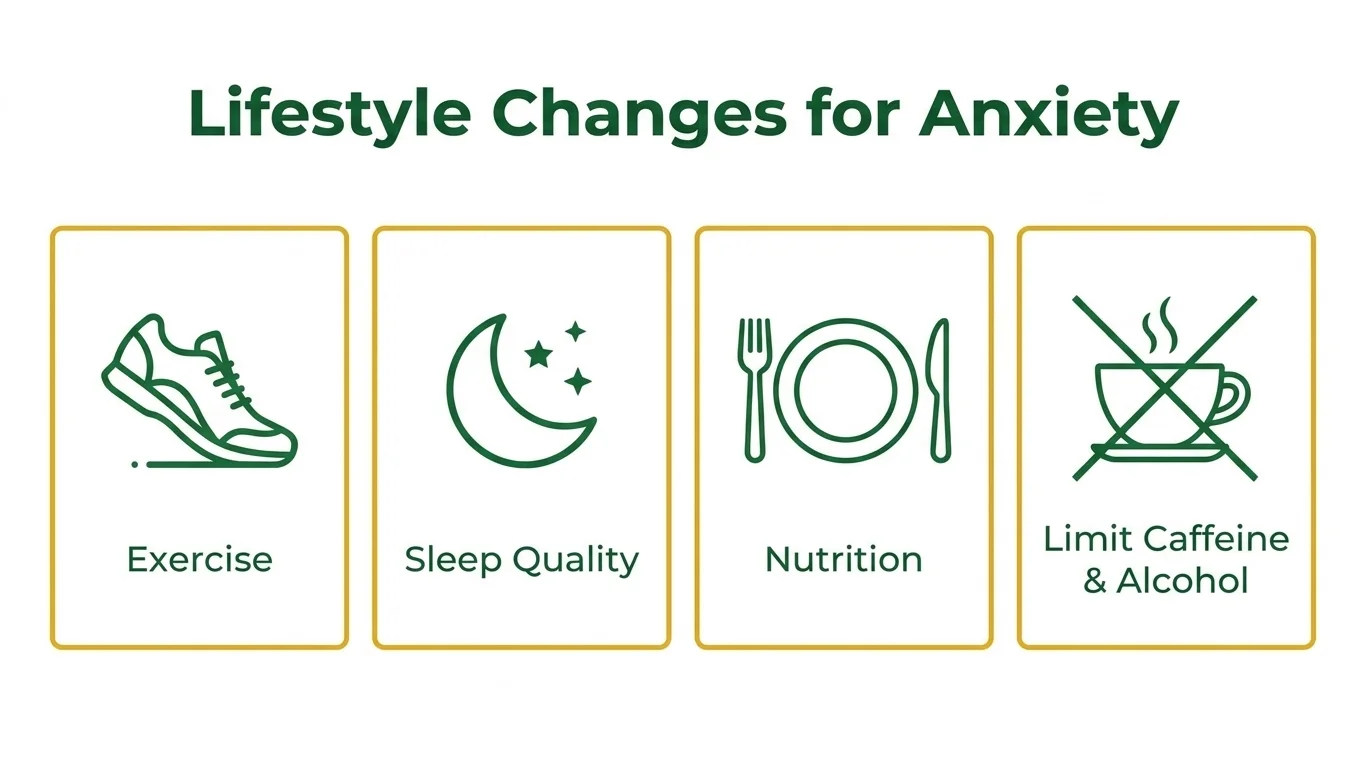
Lifestyle changes meaningfully reduce symptom severity and support recovery alongside professional treatment.
Physical Activity and Exercise
Regular exercise helps release endorphins and reduce stress hormones. About 30 minutes of moderate activity, five days a week, can improve mood and ease anxiety symptoms. When building this habit, consistency is more important than intensity.
Sleep Quality and Recovery
Maintaining a consistent sleep schedule, limiting screen time before bed, and keeping the bedroom dark and quiet can improve sleep quality. Better sleep has a direct positive effect on anxiety symptoms and helps strengthen the body’s ability to manage stress.
Nutrition and Anxiety Management
Eating regular meals that include protein, healthy fats, and complex carbohydrates helps stabilize blood sugar and supports a more balanced mood throughout the day. Reducing processed foods and added sugar can also have a noticeable positive effect on daily anxiety levels.
Limiting Caffeine and Alcohol
Caffeine can increase heart rate and may worsen anxiety, particularly in people with panic disorder. Alcohol can disrupt sleep and often leads to increased anxiety the following day. Gradually reducing both can lead to noticeable improvements in symptoms over time.
Natural Techniques That Help Reduce Anxiety
These techniques help regulate the nervous system and reduce anxiety in the moment. They produce the best results when practiced consistently as part of a daily routine. Box breathing involves inhaling for four counts, holding for four and holding again for four. Practicing it daily can activate the body’s relaxation response and help reduce overall anxiety levels over time.
Mindfulness helps train attention to stay focused on the present moment instead of getting caught up in future worries. Practicing it for just 10 minutes a day can lead to noticeable improvements in stress and anxiety over time. Progressively tensing and relaxing different muscle groups helps release physical tension associated with anxiety.
The Most Effective Treatment for Different Types of Anxiety Disorders
Different anxiety disorders need different treatments, with CBT, medication, and lifestyle changes being the most effective options.
Generalized Anxiety Disorder (GAD)
CBT is considered the first-line treatment for Generalized Anxiety Disorder (GAD). SSRIs and SNRIs may be added when symptoms are persistent or more severe. Lifestyle changes and stress management techniques can further support recovery and help reduce the risk of relapse.
Social Anxiety Disorder
CBT combined with exposure therapy is highly effective for social anxiety. It helps individuals gradually face situations they have been avoiding. SSRIs are often used alongside therapy to improve overall treatment outcomes.
Panic Disorder
CBT, including exposure to physical sensations of panic, is highly effective for panic disorder. SSRIs can help reduce the frequency and intensity of panic attacks. Most people show improvement within a few months of consistent treatment.
Specific Phobias
Exposure therapy alone is often the most effective treatment for specific phobias. Medication is usually not necessary. Most people experience significant improvement after completing a structured, gradual exposure program.
Signs Your Anxiety Treatment Is Working
These signs indicate your plan is producing results even when progress feels gradual or slow.
- Emotional Improvements Anxious thoughts feel easier to manage, and you begin to experience more moments of calm.
- Physical Symptom Reduction Your physical responses to stressful situations also become noticeably calmer compared to when treatment first began.
- Better Daily Functioning You begin to re-engage with activities you previously avoided. Work performance and relationships improve, and the amount of time spent worrying gradually decreases.
Why Anxiety Treatment Sometimes Does Not Work
Understanding the common reasons helps you adjust your approach when treatment is not producing expected results. Anxiety can overlap with conditions such as depression, ADHD, and thyroid disorders. An incorrect diagnosis may lead to treatment focusing on the wrong issue. A thorough evaluation helps ensure an accurate diagnosis before starting any treatment plan.
Missing therapy sessions, skipping assigned exercises, or stopping medication too early can all reduce treatment effectiveness. Many people stop treatment once their symptoms start to improve, before the full process is complete. This can significantly increase the risk of relapse.
When to Seek Professional Help for Anxiety
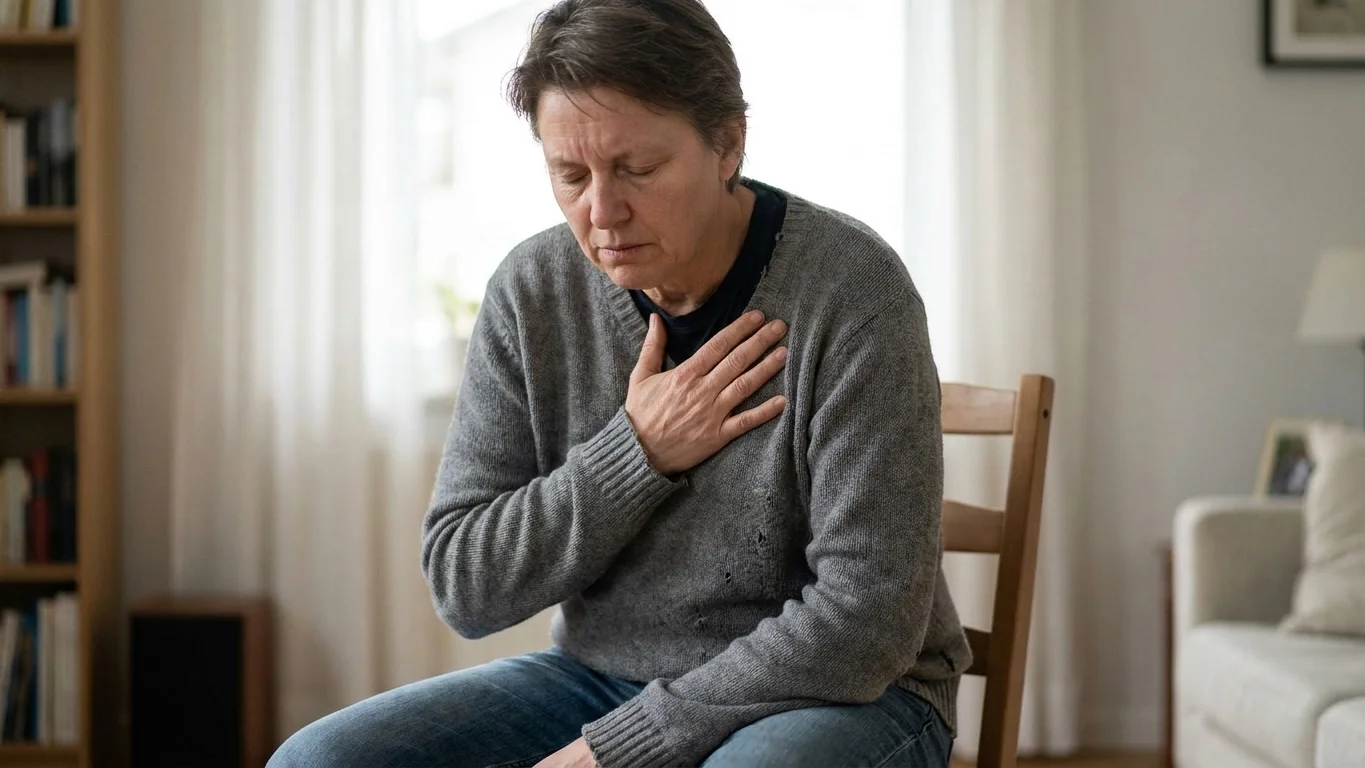
Early treatment produces better outcomes. Waiting allows symptoms to become more entrenched and harder to treat effectively over time. Persistent worry lasting more than two weeks, avoiding daily activities, unexplained physical symptoms, and difficulty functioning at work or in relationships are all signs that professional help may be needed without delay.
Early intervention can reduce the risk of anxiety becoming more severe and support a faster recovery. It may also lower the likelihood of developing related conditions such as depression. The earlier anxiety is addressed, the easier it is to manage in the long term.
Find the Right Anxiety Treatment for You
If anxiety is affecting your daily life, relationships, sleep, or ability to work, professional support can help you understand what is causing your symptoms and which treatment options may fit your needs.
Placid Psychiatry in Fullerton, CA provides personalized psychiatric care for anxiety and related mental health concerns. Schedule a consultation to discuss your symptoms and explore an appropriate treatment plan.
Conclusion
The most effective anxiety treatment depends on your diagnosis, symptom severity, and personal needs. CBT is one of the most well-researched treatments for anxiety, while medications such as SSRIs and SNRIs are also evidence-based options. For some people, therapy and medication may be used together.
Lifestyle habits such as regular exercise, good sleep, stress management, and reducing caffeine can also support anxiety treatment. However, these strategies may not be enough on their own when anxiety is severe or interferes with daily life.
A professional evaluation can help identify the type of anxiety you are experiencing and guide treatment decisions. With the right approach and ongoing support, anxiety symptoms can become more manageable and daily functioning can improve.
Frequently Asked Questions
What Is the Most Effective Anxiety Treatment?
CBT is the most widely recommended treatment for anxiety disorders. Combining it with medication produces better results for many people.
Is CBT Better Than Medication for Anxiety?
CBT produces more durable long-term results. Medication works faster short term but does not address the underlying thought patterns driving anxiety.
Can Anxiety Be Treated Naturally?
Exercise, improved sleep, and stress reduction meaningfully reduce symptoms. Breathing and mindfulness techniques also help.
How Long Does Anxiety Treatment Take?
CBT typically involves 12 to 20 sessions. Some people improve within weeks while others need several months.
Can Anxiety Come Back After Treatment?
Anxiety can return during stressful periods. People who complete CBT are better prepared to manage it if it returns.