
Ketamine therapy does not get you high in the recreational sense, but it does cause an altered state of consciousness known as dissociation. Because the doses used in medical settings are carefully controlled and lower than those used for anesthesia, patients remain awake but enter a deeply relaxed, dream-like state, with a trained provider watching over them the entire time.
This distinction matters, especially if you are new to the idea of ketamine as a mental health treatment, whether you are considering it for depression, anxiety, or PTSD. Understanding what the experience actually feels like, and why medical supervision makes such a big difference, can help you feel more prepared and less anxious before your first session. At Placid Psychiatry in Fullerton, CA, we walk every patient through what to expect so there are no surprises on treatment day.
What Is Ketamine Therapy?
Ketamine is a medication that has been used safely in medical settings for decades, originally as an anesthetic. In recent years, researchers discovered that much smaller doses of ketamine can have a powerful effect on mood, and it is now used to treat conditions like treatment-resistant depression, anxiety, and PTSD.
In mental health treatment, ketamine works differently than traditional antidepressants. While many antidepressants take weeks to build up in the body, ketamine can create noticeable changes in mood within hours or days for some patients. This has made it a valuable option for people who have not found relief with other treatments.
There are a few common forms of ketamine therapy. IV ketamine infusions deliver the medication directly into the bloodstream over a set period of time, usually in a clinical setting. Spravato, also known as esketamine, is an FDA-approved nasal spray version of ketamine that is specifically approved for treatment-resistant depression and is also given under direct medical supervision. Both approaches involve careful dosing and monitoring, just through different delivery methods.
Does Ketamine Therapy Get You High?
Some patients do experience a temporary altered state during ketamine therapy that could be described as feeling “high.” This usually includes changes in perception, a sense of floating, or feeling separated from your body for a short period of time. This is a known and expected part of how ketamine works at these doses.
However, there is an important difference between what happens during a medical ketamine session and recreational ketamine use. In a clinical setting, the dose is carefully calculated based on your weight and medical history, and it is much lower than doses commonly used recreationally. The goal is a therapeutic effect, not intoxication.
The treatment experience is also closely watched from start to finish. Your provider monitors your heart rate, blood pressure, and how you are responding throughout the session. If anything feels off, they are right there to help. This kind of oversight is simply not part of recreational ketamine use, which is one of the biggest reasons medical treatment is considered safer.
What Does Ketamine Therapy Feel Like?
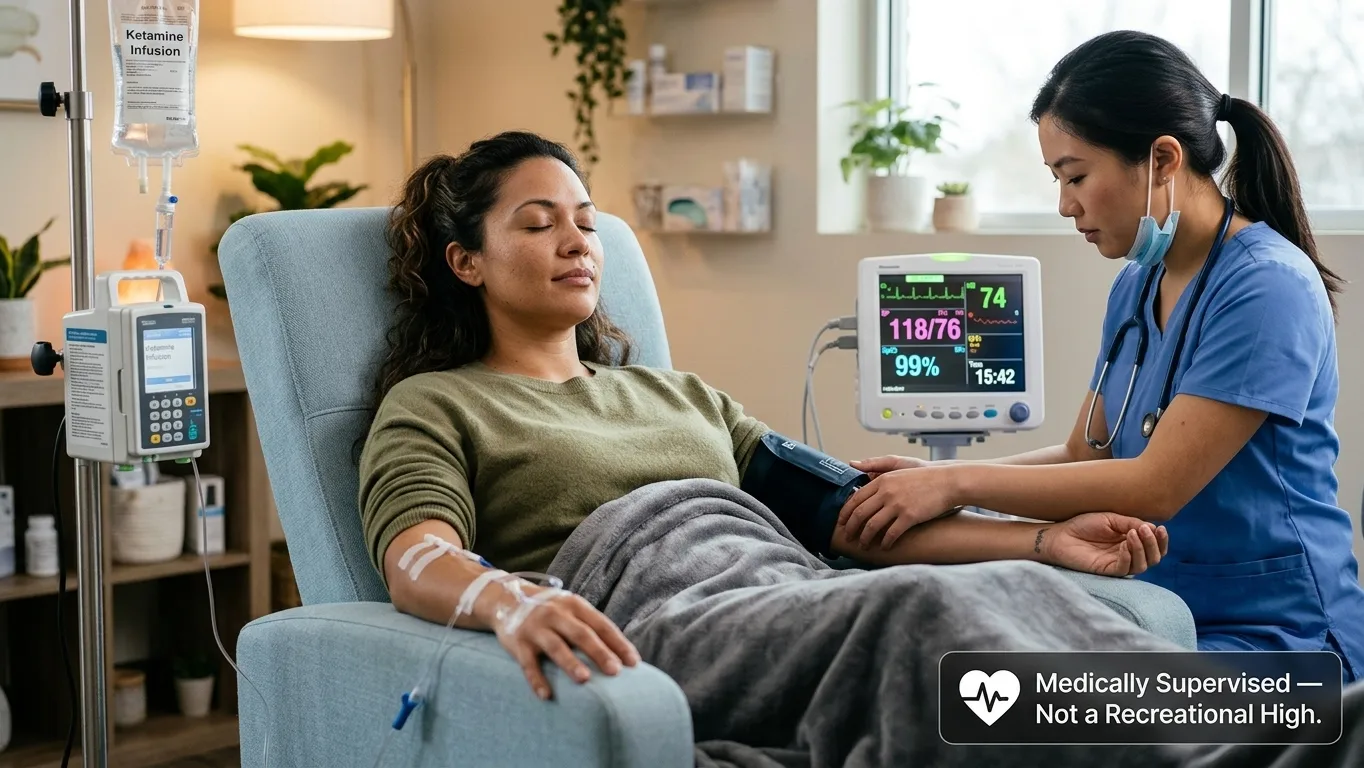
Every patient’s experience is a little different, but there are some common sensations people describe during treatment.
Changes in Perception and Heightened Senses Colors, sounds, or textures may seem more vivid or unusual during the session. Some patients describe a heightened awareness of their surroundings or their own thoughts.
Feeling Detached or Dreamlike Many people describe a floating sensation or a feeling of being slightly outside their body. This is often referred to as dissociation, and it is a well documented and expected effect of ketamine at these doses.
Relaxation and Emotional Release Some patients feel a deep sense of calm during treatment, along with emotional release. This can include unexpected thoughts or feelings surfacing during the session.
Temporary Confusion or Disorientation It is common to feel a bit foggy or unsure of your surroundings during the peak of the medication’s effects. This typically passes as the medication wears off.
Returning to Your Normal State As the session ends, these effects gradually fade. Most patients feel back to their normal state of awareness within a couple of hours, though your provider will confirm you are ready before you leave.
How Does Ketamine Create These Effects?
Ketamine’s effects come from how it interacts with the brain, not from a simple sedative action like many other medications. Understanding this helps explain why the treatment experience feels so different from typical psychiatric medication.
How Ketamine Affects the Brain
Ketamine works differently in the brain compared to most other psychiatric medications. Rather than slowly adjusting chemical levels over weeks, like many antidepressants, it produces changes that can be felt much more quickly, which is part of what makes the treatment experience feel distinct from the start.
The Role of NMDA Receptors and Glutamate
Ketamine affects a receptor called the NMDA receptor, which plays a role in how brain cells communicate using a chemical called glutamate. By temporarily changing how these receptors function, ketamine appears to trigger a cascade of changes in the brain that may help form new neural connections.
Researchers believe this process is part of why ketamine can improve mood so quickly compared to traditional antidepressants, which work through different chemical pathways.
Why the Experience Feels Different From Ordinary Consciousness
Because ketamine affects the brain in this unique way, the treatment experience can feel quite different from ordinary consciousness. This is expected and is part of how the medication is thought to work, not a sign that something has gone wrong.
How Is Ketamine Therapy Different From Recreational Ketamine Use?
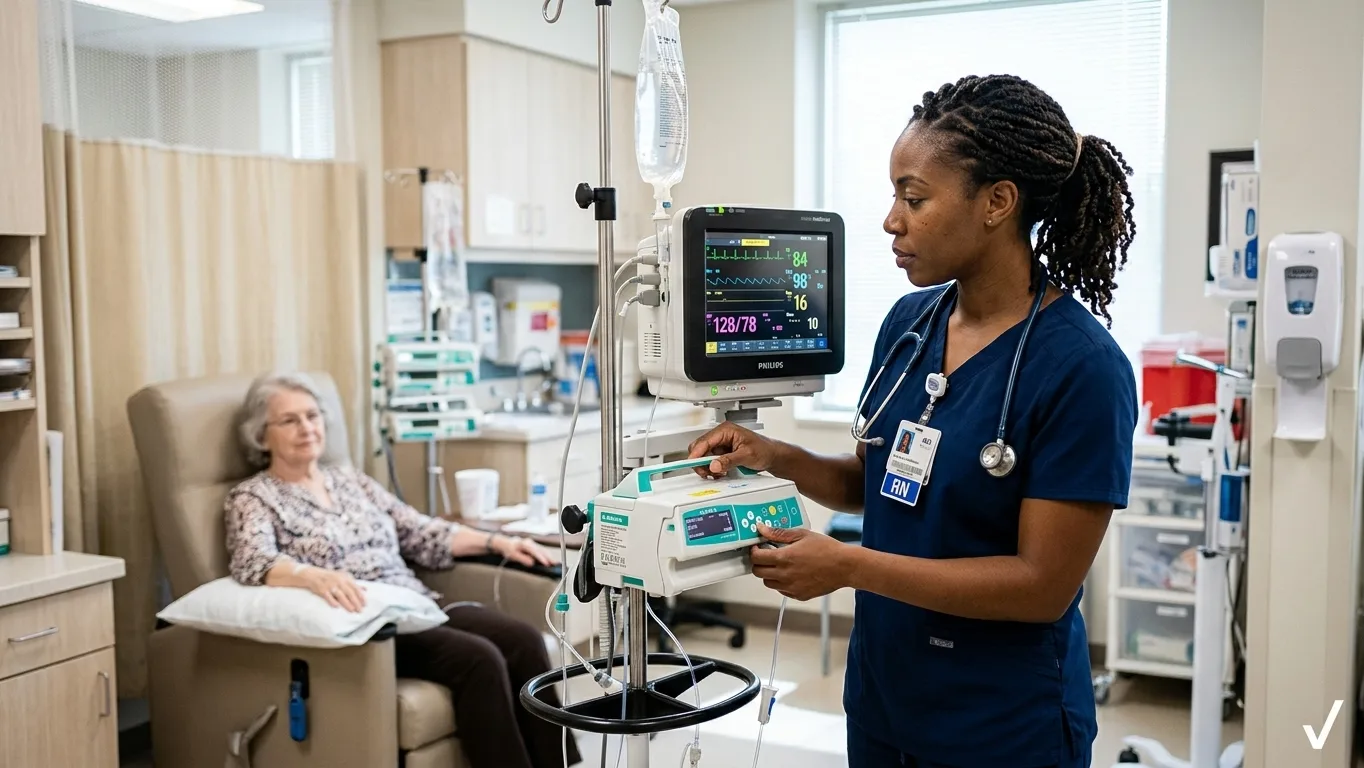
In a clinical setting, a trained medical provider is present before, during, and after your treatment, and your dose is carefully calculated for your body and your specific treatment goals. Recreational use looks nothing like this. No one is monitoring your safety, and the amounts used are often inconsistent and unregulated, which raises the risk of unwanted effects.
Ketamine therapy also takes place in a calm, controlled clinical environment where your vital signs are tracked throughout the session, all in service of a specific therapeutic purpose backed by safety protocols and emergency preparedness. Recreational settings offer none of this oversight or protection, which is a big part of why they carry more risk.
What Happens During a Ketamine Therapy Session?
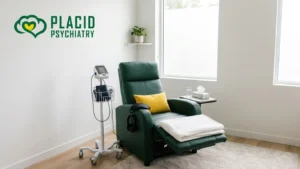
Before your session, your provider will review your medical history, current medications, and treatment goals, and let you know about any food or drink guidelines that may apply beforehand. During the session, you will be seated or lying down in a comfortable, quiet space while the medication is given either through an IV infusion or, for Spravato, a nasal spray, with your provider monitoring your vital signs and checking in with you throughout.
Once the session ends, you will rest in the office for a period of monitoring before you are cleared to leave. Since ketamine can affect coordination and alertness, you will need someone else to drive you home.
What Are the Common Side Effects of Ketamine Therapy?
Most side effects of ketamine therapy are mild and temporary, resolving within a couple of hours after treatment. Common side effects include:
- Drowsiness
- Dizziness
- Nausea
- Increased blood pressure
- Changes in perception
- Feeling detached from your surroundings
Your provider will monitor for these effects throughout your session and can help manage them if they occur.
Can Ketamine Therapy Cause Hallucinations?
Some patients experience visual or sensory changes during ketamine treatment that could be described as mild hallucinations, such as seeing colors more vividly or noticing shapes shift slightly. These experiences are generally brief and tied directly to the medication’s effects on the brain.
These effects are different from severe or dangerous reactions, which are rare in a properly monitored medical setting. The dissociative and perceptual changes associated with ketamine are a known part of the treatment experience, not a sign of a medical emergency.
Still, this is exactly why medical monitoring matters. Your provider is trained to tell the difference between expected effects and something that needs closer attention, which is something you cannot rely on in an unsupervised setting.
Is Ketamine Therapy Addictive?
Ketamine does carry some potential for misuse, particularly outside of a medical setting where it is used repeatedly and without oversight. This is a legitimate consideration that any qualified provider will take seriously.
Medical supervision significantly reduces this risk. Treatment is scheduled at appropriate intervals, doses are controlled, and your provider tracks your response over time rather than allowing unsupervised, repeated use.
There is an important difference between therapeutic use, which is dosed carefully and monitored closely, and recreational misuse, which involves unregulated amounts and no medical oversight. This distinction is central to why ketamine therapy is considered a safe treatment option when done correctly.
Who Should Avoid or Use Caution With Ketamine Therapy?
Ketamine therapy is not the right fit for everyone. People with certain medical conditions, such as uncontrolled high blood pressure or certain heart conditions, may need extra caution or may not be candidates for treatment.
A history of substance misuse is also an important factor your provider will consider, since it may affect how ketamine treatment is approached or monitored. Certain medications can also interact with ketamine, so a full medication review is a standard part of the process.
This is why a thorough medical evaluation before starting treatment is so important. Your provider needs a complete picture of your health history to determine whether ketamine therapy is appropriate and how to make it as safe as possible for you specifically.
How Long Does the Ketamine Experience Last?
The acute effects of ketamine, including any altered perception or dissociation, typically last for about 40 minutes to an hour during the session itself, though some lingering effects can continue for a bit longer.
Recovery time can vary from person to person, depending on factors like dose, individual sensitivity, and overall health. Some patients feel back to normal fairly quickly, while others need a bit more time to feel fully clear headed.
Because of this, patients are asked to stay at the clinic for a period of monitoring after treatment. Your provider will confirm you are ready before clearing you to leave, and driving is not permitted until the effects have fully worn off.
How Long Do the Benefits of Ketamine Therapy Last?
The duration of benefits from ketamine therapy varies quite a bit from person to person. Some patients notice improvement in mood that lasts days to weeks after a single session, while others may need a series of treatments to see lasting results.
Follow-up sessions and ongoing therapy often play an important role in maintaining the benefits of ketamine treatment. Many treatment plans include an initial series of sessions followed by less frequent maintenance treatments based on how you respond.
Because everyone responds differently, treatment plans are individualized. Your provider will work with you to figure out the right frequency and approach based on your symptoms, your response to treatment, and your overall goals.
Is Ketamine Therapy Safe?
When administered by qualified medical professionals in a controlled setting, ketamine therapy is considered a safe treatment option for many patients. Safety starts with a thorough evaluation to make sure ketamine is an appropriate choice for your specific situation.
Monitoring during treatment is a critical part of this safety. Your provider tracks your vital signs and overall response throughout the session, ready to step in if anything unexpected happens.
Unsupervised ketamine use, on the other hand, can be dangerous. Without proper dosing, monitoring, and medical oversight, the risks of unwanted side effects or complications increase significantly. This is a major reason ketamine should only be used through a legitimate medical provider.
What Should You Do After Ketamine Therapy?
After your session, there are a few important steps to help you recover safely and get the most out of treatment.
Arrange transportation home in advance, since you will not be able to drive yourself after treatment. Rest and avoid driving until your provider has confirmed you are fully clear of the medication’s effects, which is usually later that same day.
Follow your provider’s specific aftercare instructions, which may include guidance on activity level, food, or medications for the rest of the day. If you notice any unusual or severe symptoms after leaving the clinic, contact your provider right away rather than waiting to see if it resolves on its own.
Ready to Learn More About Ketamine Therapy?
If you have questions about ketamine therapy or Spravato treatment and whether it might be right for you, the team at Placid Psychiatry in Fullerton, CA is here to help. We offer thorough evaluations, medically supervised treatment, and ongoing support so you know exactly what to expect at every step. Contact us today to schedule a consultation and find out if ketamine therapy is a safe, effective option for your mental health treatment plan.
Conclusion
Ketamine therapy can cause temporary changes in perception and consciousness that some people describe as feeling “high.” This is a known and expected part of how the treatment works at a medical dose. However, this experience looks very different from recreational ketamine use.
In a clinical setting, your dose is carefully calculated, your session takes place in a controlled environment, and a trained provider monitors you throughout the entire process. This medical supervision is what makes the treatment experience safe, even though it can involve some of the same sensations associated with a “high.”
If you are considering ketamine therapy, it should only be done under the care of a qualified medical provider who can evaluate whether it is right for you and guide you safely through the process.
Frequently Asked Questions
Does ketamine therapy make you feel high?
Some patients experience a temporary altered state during treatment, including changes in perception, a sense of floating, or feeling briefly detached from their surroundings. This is different from recreational intoxication, since the dose is carefully controlled and the session is closely monitored. The goal of a medical dose is a therapeutic effect, not the kind of high someone might chase recreationally.
Does ketamine therapy cause hallucinations?
Some patients experience mild visual or sensory changes during treatment, such as colors appearing more vivid or shapes seeming to shift slightly. These effects are usually brief and are considered part of the expected treatment experience in a monitored setting, not a sign that something is wrong. Your provider is trained to tell the difference between normal sensations and a reaction that needs attention.
Is ketamine therapy addictive?
Ketamine carries some potential for misuse outside of medical settings, particularly when used repeatedly without oversight. When used under professional supervision, with controlled dosing and scheduled sessions, this risk is significantly reduced. Structured medical treatment is very different from the unregulated, repeated use that raises concern recreationally.
How long does a ketamine session last?
A typical session, including administration and the monitoring period afterward, often takes roughly one to two hours, though this can vary by clinic. The medication itself is usually given over a shorter window, often 40 minutes for an IV infusion, but you will need to stay afterward until your provider confirms you are safe to leave.
Can you drive after ketamine therapy?
No. Ketamine affects coordination and alertness for a period after your session, so you will need someone else to drive you home. Most clinics require this before you can be discharged, even if you feel mostly back to normal.
Is ketamine therapy safe for depression and PTSD?
When administered by a qualified provider with proper evaluation and monitoring, ketamine therapy is considered a safe treatment option for depression and PTSD in appropriate candidates. Safety starts with a thorough evaluation of your health history, followed by ongoing monitoring during and after each session.