
Having both conditions is more common than most people realize. Borderline personality disorder and bipolar disorder are two distinct conditions, but they share enough overlapping symptoms that they are frequently confused with each other, and just as frequently missed when they exist together.
If you or someone you care about has been diagnosed with one but still feels like something is being left unaddressed, understanding how these two conditions relate to each other is an important place to start. At Placid Psychiatry in Fullerton, CA, we provide thorough psychiatric evaluations to help you get the right diagnosis and the right treatment.
Understanding Borderline Personality Disorder (BPD)
Borderline Personality Disorder (BPD) is a mental health condition that affects how a person thinks, feels, and relates to others. It is mainly marked by intense emotions, unstable relationships, and difficulty regulating feelings.
People with BPD may experience rapid mood shifts, fear of abandonment, and a fluctuating sense of self. These symptoms can impact daily life, but with proper treatment and support, many individuals learn to manage them effectively.
Common Symptoms of BPD
BPD can affect nearly every area of life, with one key feature being intense emotional instability. Emotions can shift quickly, so a person may feel calm one moment and overwhelmed the next, often triggered by situations others see as minor.
What Causes BPD?
There is no single known cause of BPD. Instead, it is believed to result from a combination of genetic, neurological, and environmental factors. Individuals with a family history of BPD or other personality disorders may have a greater risk of developing the condition.
Understanding Bipolar Disorder
Bipolar disorder is a mental health condition characterized by episodes of elevated or irritable mood and periods of depression. Unlike BPD, these mood changes typically last for days, weeks, or longer, with many individuals functioning well between episodes.
Types of Bipolar Disorder
Bipolar I disorder involves severe manic episodes that may require hospitalization, often followed by periods of depression. Bipolar II disorder includes less intense hypomanic episodes along with depressive episodes.
Common Symptoms of Bipolar Disorder
During a manic episode, a person may experience increased energy, reduced need for sleep, rapid speech, impulsive behavior, and an exaggerated sense of confidence. In severe cases, mania can also involve psychotic symptoms.
What Causes Bipolar Disorder?
Genetics play a major role in bipolar disorder, with the risk increasing for those who have a close family member with the condition. Differences in brain structure and neurotransmitter function may also contribute to its development.
Can You Have Borderline Personality Disorder and Bipolar Disorder at the Same Time?
Some individuals can experience both Borderline Personality Disorder (BPD) and Bipolar Disorder at the same time, which is known as a dual diagnosis.
What Is a Dual Diagnosis?
A dual diagnosis simply means that a person meets the clinical criteria for two separate conditions at the same time. It does not mean that one caused the other, though they often influence each other.
How Common Is Co-Occurring BPD and Bipolar Disorder?
The overlap between BPD and bipolar disorder is more common than many people realize. Studies show that people with one condition are more likely to meet the criteria for the other compared to the general population.
Why These Conditions Often Occur Together
BPD and bipolar disorder share several features, including emotional dysregulation, impulsive behavior, and relationship difficulties. Factors such as genetics, early life trauma, and differences in emotional processing may contribute to both conditions.
Borderline Personality Disorder vs. Bipolar Disorder
Borderline Personality Disorder and Bipolar Disorder are separate conditions that differ in their symptoms, causes, and treatment.
Differences in Mood Changes
Mood changes in BPD are often reactive and triggered by interpersonal situations, perceived rejection, or fear of abandonment. These emotional shifts are intense but typically short-lived, often lasting only a few hours.
Differences in Relationships and Behavior
People with BPD often experience relationships in extremes, feeling very close to someone at one moment and deeply distressed or angry with them the next. This pattern, known as idealization and devaluation, is often linked to fear of abandonment and heightened emotional sensitivity.
Differences in Triggers and Duration of Symptoms
BPD symptoms are often triggered by specific events, especially in relationships or perceived rejection, and can shift multiple times within a day. In contrast, bipolar episodes are less situation-based, more biologically driven, and usually last for days to weeks or longer.
Side-by-Side Comparison of BPD and Bipolar Disorder
Mood shifts in BPD usually last hours and are often triggered by interpersonal events like perceived rejection, while bipolar episodes are more biologically driven and last for days to weeks. BPD is also linked to an unstable sense of identity, whereas people with bipolar disorder typically maintain a stable sense of self between episodes.
Symptoms That May Overlap Between BPD and Bipolar Disorder

Although they are different conditions, BPD and Bipolar Disorder can share several symptoms that may make diagnosis more challenging.
Emotional Instability
Both conditions involve emotional dysregulation, where feelings can become intense and difficult to control. This overlap is a key reason they are often confused and why careful evaluation is needed for an accurate diagnosis.
Impulsive Behaviors
Impulsivity can occur in both BPD and bipolar disorder, including behaviors like reckless spending, risky sexual activity, substance use, and self-destructive choices. While the underlying causes and patterns may differ, the outward behaviors can appear very similar.
Relationship Difficulties
Both conditions affect relationships in different ways. BPD often causes ongoing instability, while bipolar disorder disrupts relationships mainly during mood episodes. When both occur together, the impact on social and family life can be more severe.
Suicidal Thoughts and Self-Harm Risks
Both BPD and bipolar disorder are associated with an increased risk of suicidal thoughts and self-harm. In BPD, self-harm behaviors are especially common and may be used as a way to cope with intense emotional distress.
How Mental Health Professionals Differentiate BPD and Bipolar Disorder

Mental health professionals use comprehensive evaluations to distinguish between BPD and Bipolar Disorder and ensure an accurate diagnosis.
Diagnostic Evaluation Process
A thorough evaluation includes reviewing a person’s full history, such as the timeline of symptoms, mood patterns, relationship dynamics, childhood experiences, and family background. Clinicians also carefully assess how long symptoms last, what triggers them, and how they resolve over time.
Challenges of Misdiagnosis
Both conditions are often misdiagnosed because their symptoms can overlap. BPD is frequently mistaken for bipolar disorder due to similar emotional intensity, while bipolar disorder may be overlooked when emotional and relationship issues are more prominent. Because of this complexity, an accurate diagnosis usually requires careful evaluation over time rather than a single appointment.
Risks of an Incorrect Diagnosis
An incorrect diagnosis can delay proper treatment and make symptoms more difficult to manage over time.
When BPD Is Mistaken for Bipolar Disorder
When BPD is misdiagnosed as bipolar disorder, treatment may focus on medications that do not fully address its core symptoms. Without appropriate therapies like DBT, key challenges such as emotional dysregulation and relationship difficulties may remain unmanaged.
When Bipolar Disorder Is Mistaken for BPD
When bipolar disorder is overlooked and only BPD is diagnosed, a person may miss out on medications that help stabilize mood episodes. Therapy alone is often not enough to manage bipolar disorder, especially during manic episodes.
How Misdiagnosis Can Affect Treatment Outcomes
An incorrect diagnosis can do more than delay proper treatment.it may lead to ineffective interventions, reduce trust in care, and leave the real condition untreated for years. This is why a careful, thorough evaluation by an experienced clinician is essential.
Treatment Options for People With Both Conditions
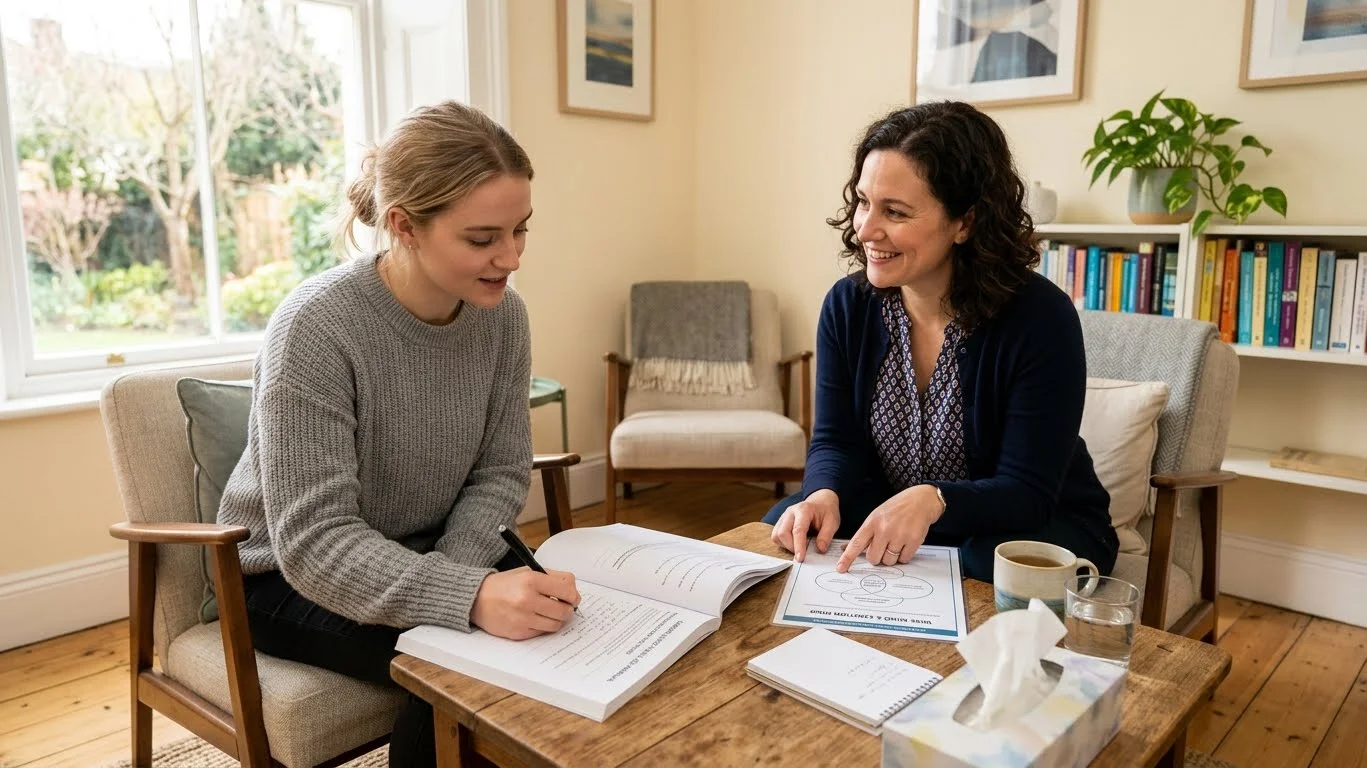
Effective treatment for co-occurring BPD and Bipolar Disorder often involves a combination of therapy, medication, and ongoing support.
Dialectical Behavior Therapy (DBT)
DBT was developed for BPD and is an evidence-based therapy that teaches emotional regulation, distress tolerance, mindfulness, and interpersonal skills. It can also help people with both BPD and bipolar disorder manage emotions, relationships, and overall stability.
Cognitive Behavioral Therapy (CBT)
CBT helps identify and change thought patterns that contribute to emotional distress and unhelpful behaviors. It is commonly used for depression and anxiety, which often occur alongside both BPD and bipolar disorder.
Medication Management
Medication is more important in bipolar disorder than in BPD. Mood stabilizers and antipsychotics help control bipolar episodes, while in BPD, medication is only used to manage specific symptoms like anxiety, depression, or impulsivity.
Lifestyle and Self-Care Strategies
Consistent sleep is especially important in bipolar disorder, as sleep disruption can trigger mood episodes. Regular exercise, stress management, reduced substance use, and structured routines can help support stability in both conditions.
Building a Long-Term Treatment Plan
A long-term treatment plan for both BPD and bipolar disorder must address both conditions together. It usually includes ongoing therapy, medication management, regular psychiatric follow-ups, and a clear plan for symptom flare ups.
Living With Borderline Personality Disorder and Bipolar Disorder
Living with both BPD and Bipolar Disorder can be challenging, but proper treatment and support can help individuals manage symptoms and improve quality of life.
Managing Daily Challenges
Living with both conditions requires awareness of personal patterns. Recognizing triggers, early warning signs, and having a clear response plan can help make daily management more stable and consistent.
Strengthening Relationships and Support Systems
Both conditions can impact relationships, so having a strong support system is very helpful. This may include family, friends, therapists, or support groups. Being open with trusted people about your experiences and needs can make a meaningful difference in daily life.
Recognizing Early Warning Signs of Relapse
Recognizing early warning signs is important for managing both conditions. In bipolar disorder, these may include changes in sleep, energy, or mood, while in BPD they often involve emotional reactivity, relationship stress, or self-destructive urges.
Ready to Understand What You’re Going Through?
If someone is struggling to understand their symptoms or what they are going through, they are not alone and support is available. A clear evaluation can help make sense of their experiences and guide a way forward.
At Placid Psychiatry in Fullerton, CA, we take time to hear your full story before building a treatment plan around your specific needs. Ready to get a clearer picture of what is going on and find a path forward? Schedule your appointment today.
Conclusion
BPD and bipolar disorder are distinct but can occur together. Because their symptoms overlap, diagnosis can be challenging, and an accurate diagnosis is important since treatments differ. If symptoms don’t fully match your current diagnosis, a comprehensive evaluation may help. With the right mix of therapy, medication when needed, and support, people with both conditions can lead stable and fulfilling lives.
Frequently Asked Questions
Is BPD more serious than bipolar disorder?
Neither condition is inherently more severe than the other. Both can significantly affect a person’s life, especially when left untreated, and both carry increased risks without proper care.
Can bipolar disorder develop into BPD?
Bipolar disorder does not develop into BPD. They are separate conditions with different causes, but they can co-occur, and symptoms of one may sometimes make the other harder to recognize.
Can BPD and bipolar disorder share the same symptoms?
Emotional instability, impulsivity, relationship problems, and suicidal thoughts can occur in both conditions, making them easy to confuse. This overlap is why a careful, in-depth evaluation is essential for an accurate diagnosis.
What is the best treatment for someone with both conditions?
The most effective approach combines DBT for BPD symptoms, medication management for bipolar disorder, and regular psychiatric follow-up.
How common is a dual diagnosis of BPD and bipolar disorder?
Research suggests that about 20% of people diagnosed with bipolar disorder also meet criteria for BPD, and the true rate may be higher due to frequent misdiagnosis between the two conditions.