
Anxiety that goes untreated tends to grow heavier with time, as health challenges, life losses, and changes in how the brain processes stress all add up over the years. When anxiety is left untreated in older adults, it can lead to serious physical health problems, memory and thinking difficulties, pulling away from others, and a life that feels much smaller than it used to. About 10–20% of older people may experience it. Phobias are one of the most common types of anxiety.
When anxiety goes untreated, it can affect memory, limit daily functioning, harm physical health, and reduce overall quality of life. If anxiety is not treated, it can affect physical health, mood, and quality of life. The good news is that anxiety can be treated with therapy, healthy habits, and sometimes medicine. For residents in Fullerton, CA and surrounding areas, professional support is closer than you think.
What Is Anxiety?
Anxiety is not just feeling nervous before a big event or stressed during a difficult week. Those feelings are normal and they pass on their own. Anxiety as a mental health condition is something different. It is persistent, often intense, and it interferes with daily life even when there is no clear reason to feel afraid.
Generalized Anxiety Disorder (GAD)
The most common type is generalized anxiety disorder. People with GAD worry constantly about many different things at once, including health, money, family, and the future. The worry feels impossible to control even when the person knows there is no real threat. It is exhausting to live with because the mind never fully rests.
Panic Disorder
Panic disorder causes sudden episodes of intense fear that come on without warning. These episodes, called panic attacks, can feel very physical. A racing heart, shortness of breath, chest tightness, and dizziness are common. Many people who experience their first panic attack think they are having a heart attack. The fear of having another one can itself become a source of ongoing anxiety.
Social Anxiety Disorder
Social anxiety disorder makes everyday interactions feel overwhelming. It goes far beyond shyness. People with social anxiety fear being judged, embarrassed, or rejected in social situations. This can make it hard to work, attend events, or even have simple conversations, and it often leads to increasing isolation over time.
Normal Worry vs Anxiety Disorder
The key difference between normal worry and an anxiety disorder is how long it lasts and how much it affects daily life. Worrying about something difficult is part of being human. Worrying so intensely and so often that it controls your decisions and robs you of peace is something that deserves real attention and proper care.
How Anxiety Changes as You Age
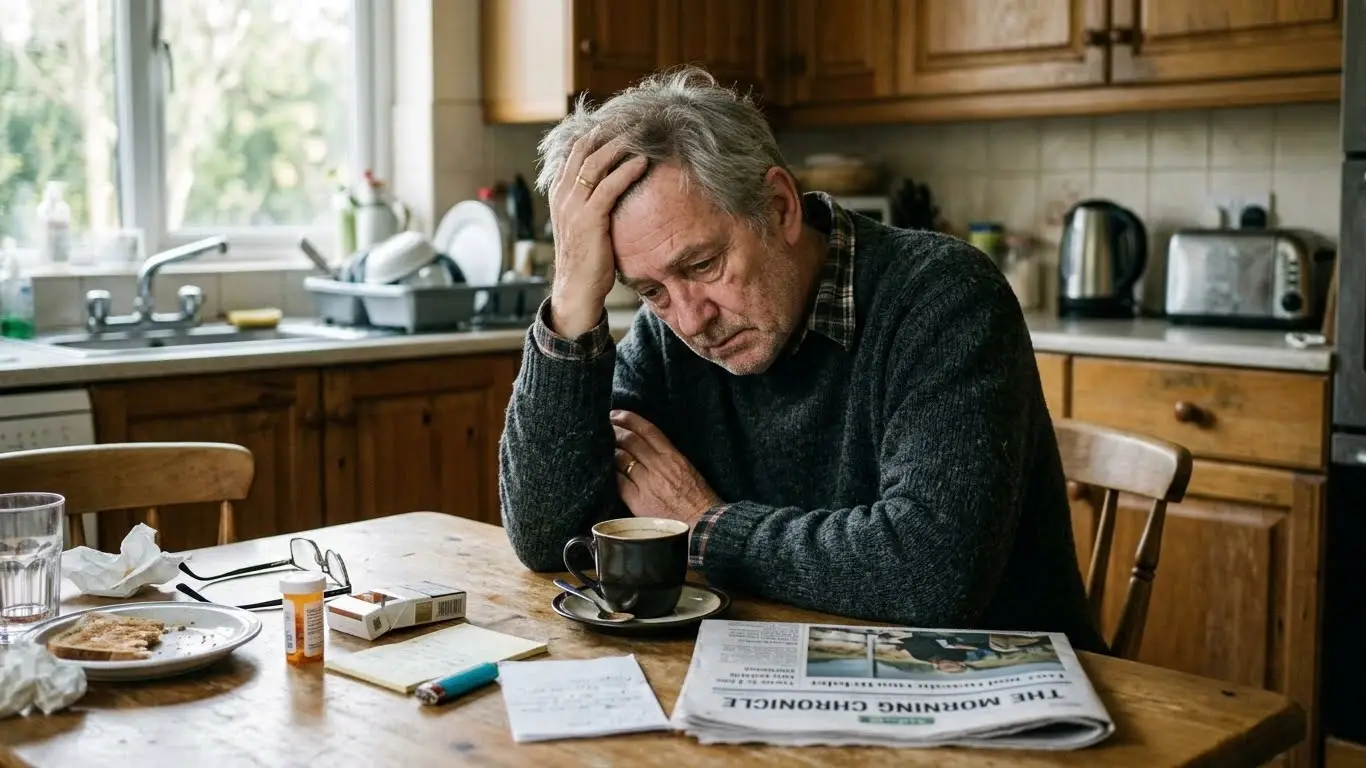
Anxiety does not follow a simple path as people get older. For some, symptoms lessen over time, especially if they have learned healthy coping strategies. For others, anxiety worsens with age when compounded by physical health problems, social isolation, or major life changes like retirement or loss of a loved one.
Older adults face pressures that younger people often do not. The body changes, energy drops, memory feels less sharp, and health problems become more frequent. Anxiety affects about 10 to 20 percent of older adults but is often undiagnosed because many seniors do not recognize their symptoms or assume what they feel is just a normal part of aging.
Does Untreated Anxiety Get Worse Over Time?
Anxiety that lasts at least six months can get worse if not treated. The longer anxiety goes without proper care, the more deeply it can become woven into how a person thinks, behaves, and experiences the world. When anxiety is not treated, the brain and body adapt to a constant state of alertness. Things that once felt manageable start to feel impossible. The nervous system stays in a heightened state for so long that even small triggers produce a large response.
Anxiety is caused by a combination of physical and mental responses, and stress is at the root of it. The key to managing anxiety is developing a healthier relationship with stress. In fact it typically gets worse, because the strategies people use to cope on their own, like avoidance, distraction, or numbing, tend to reinforce anxiety rather than reduce it.
Signs Anxiety Is Worsening With Age
Recognizing worsening anxiety is not always easy, especially when changes happen gradually over months or years. The clearest signs include more frequent worry about things that used to feel manageable, trouble sleeping due to thoughts that will not quiet down, and a growing sense of dread with no clear cause.
Physical symptoms like headaches, muscle tension, dizziness, and difficulty breathing often become more noticeable as anxiety worsens. These can be confusing for older adults because they look like medical problems rather than mental health ones. When someone starts turning down invitations, avoiding phone calls, and pulling away from relationships, untreated anxiety is often at the center of it.
Causes of Worsening Anxiety in Older Adults
Several factors make anxiety harder to manage as people age. Health problems are one of the biggest. A new diagnosis, chronic pain, reduced mobility, or medication side effects can all trigger or intensify anxiety. The fear of losing independence and becoming dependent on others adds another layer of ongoing stress.
Losing loved ones, financial worries, and limited mobility are all things that can make existing anxiety significantly worse. Brain chemistry shifts too, affecting how the mind regulates mood and stress, which can make anxiety feel more intense even when nothing dramatic has changed.
Perhaps most importantly, years without treatment is itself a major cause of worsening anxiety. Someone who has lived with anxiety since their 20s and never sought help is far more likely to struggle with it in their 60s and 70s than someone who addressed it early.
How Anxiety Is Diagnosed in Older Adults
Getting an accurate diagnosis for anxiety in older adults is challenging, which is why so many people go without help for so long. Anxiety affects up to 20 percent of older adults but is often underdiagnosed because symptoms can be mistaken for normal aging, medical conditions, or medication side effects.
A doctor will ask about the frequency and intensity of symptoms, how long they have been present, and how much they affect daily life. They will also review medical history and current medications since thyroid problems, heart conditions, and certain drugs can all produce anxiety-like symptoms that need to be ruled out first.
Treatment Options for Anxiety at Any Age
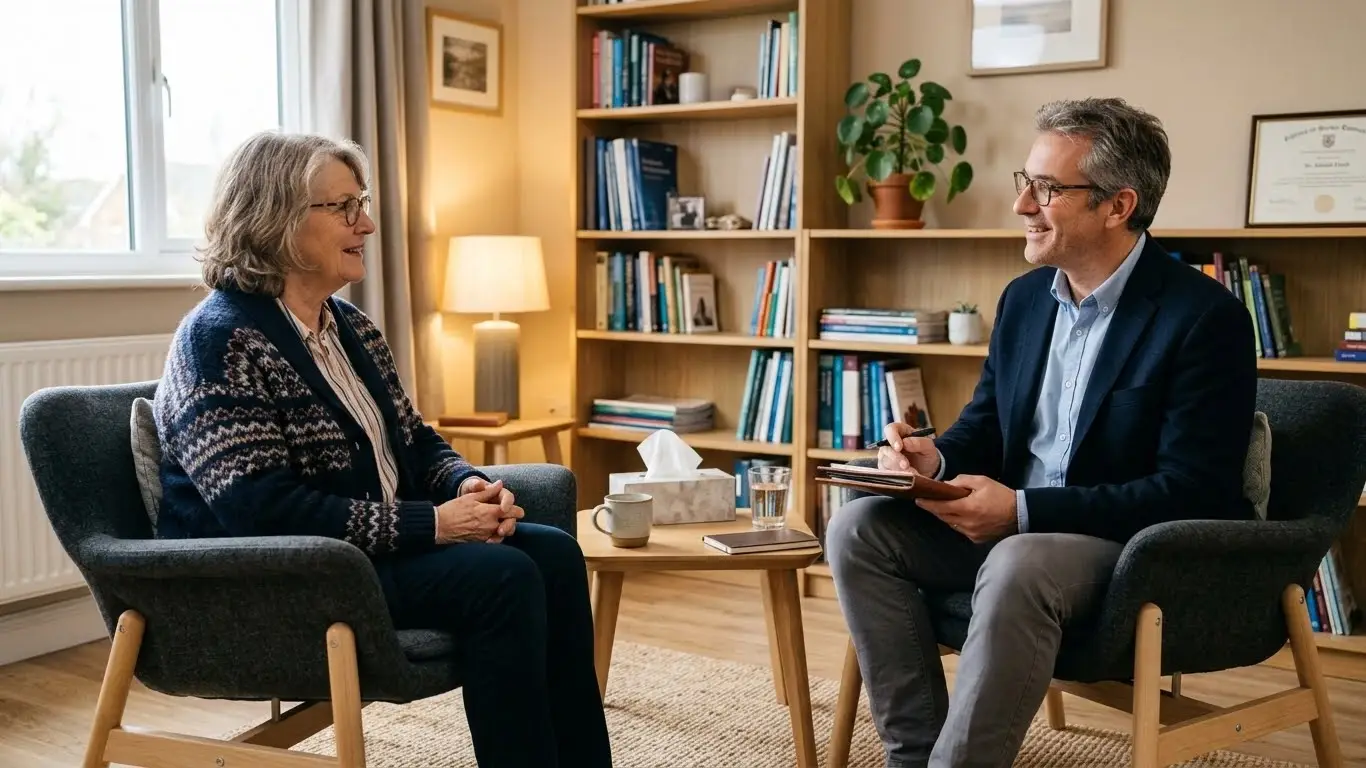
Anxiety treatment works at any age and symptoms can improve significantly with the right support. CBT, or cognitive behavioral therapy, is one of the most effective options. It helps identify thought patterns that drive anxiety and teaches practical skills to manage them.
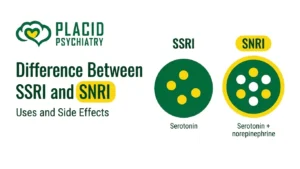
Medication such as SSRIs and SNRIs is another common approach, with a doctor choosing the best option based on the person’s full medical history. Regular exercise, better sleep, a daily routine, and staying socially connected all help reduce anxiety over time and work best when combined with professional care.
How to Manage Anxiety Before It Gets Worse
Early action is the most important factor in preventing anxiety from becoming a long-term problem. The sooner it is addressed, the easier it is to treat and the less damage it does to quality of life. Simple daily habits make a real difference. Staying physically active, limiting news and social media and keeping regular contact with people you trust all help keep anxiety from building up over time.
Stress management techniques like deep breathing, mindfulness, and progressive muscle relaxation reduce the physical intensity of anxious feelings and help interrupt the worry cycle. Seeking professional help early, before anxiety has had years to take root, leads to faster and more complete recovery.
When to Seek Help for Anxiety
If anxiety is affecting your sleep, stopping you from doing things you enjoy, or interfering with your relationships and daily functioning, it is time to seek help. Waiting for things to get worse is not a strategy that works with anxiety. Physical symptoms like chest tightness, headaches, stomach problems, and chronic fatigue that keep coming back without a clear medical cause are also worth raising with a doctor.
If you are avoiding more and more situations just to manage anxious feelings, that avoidance is a sign the condition is progressing. Many older adults feel reluctant to bring up anxiety with their doctor. If that sounds familiar, writing down your symptoms before your appointment and bringing that list with you makes the conversation easier and ensures nothing important gets left out.
Anxiety Does Not Have to Keep Getting Worse
If anxiety has been building for months or years and you have not yet spoken to a professional, now is the right time to change that. Placid Psychiatry in Fullerton, CA offers expert psychiatric evaluation and personalized anxiety treatment for adults of all ages, including telehealth visits available across all 50 states. Book your appointment today and take the first step toward feeling like yourself again.
Conclusion
Anxiety does get worse with age when it is left untreated. It does not simply fade with time or resolve on its own in most cases. The longer it goes without proper care, the more it can affect your physical health, your relationships, your memory, and your overall quality of life.
The good news is that effective help exists, and it is never too late to use it. Therapy, medication, lifestyle changes, and social support can all make a real and lasting difference. The first step is recognizing that what you are experiencing is not just normal aging and that you deserve support for it.
Frequently Asked Questions
Does untreated anxiety lead to depression?
Yes. Long-term untreated anxiety creates exhaustion, isolation, and chronic stress that can develop into depression. Many older adults experience both conditions at the same time.
Can anxiety start later in life?
Yes. Health problems, loss of loved ones, retirement, or loss of independence can all trigger anxiety for the first time in older adulthood.
Is anxiety normal in older adults?
Anxiety is common but not a normal part of aging. If left untreated it can lead to complications that affect physical, mental, and emotional health.
Can untreated anxiety affect physical health?
Yes. Chronic anxiety is linked to a weakened immune system, high blood pressure, chronic pain, sleep disorders, and a higher risk of heart problems.
What is the best treatment for anxiety in seniors?
There is no single answer. CBT is widely recommended, medication helps when symptoms are severe, and a combination of therapy, lifestyle changes, and social support tends to produce the best long-term results.