
Yes. In most cases, depression does not improve on its own without treatment. Mild or situational depression may lift within weeks as circumstances change, but moderate to severe depression typically worsens over time, deepening emotionally, physically, and socially, the longer it goes without therapy, medication, or professional support.
Depression is a common mental health condition that causes a persistent feeling of sadness and changes in how you think, sleep, eat and act. It leads to loss of interest in regular activities, social withdrawal, and intense feelings of sadness. Most people go through periods of feeling down, but when you are depressed you feel persistently sad for weeks or months, rather than just a few days. For some people, medication can play an important role in managing symptoms and improving daily life.
Psychiatric medications are designed to help balance brain chemistry and support how the brain regulates mood, thoughts, and behavior. Medication is not about changing who you are. It is about helping you feel more stable, focused, and able to function day to day. Depression is treatable usually with talk therapy, medication or both. Seeking medical help as soon as you have symptoms is essential. If you are in Fullerton, CA or anywhere across the United States, and depression has been making daily life harder to manage, you are not alone. At Placid Psychiatry, we provide expert psychiatric care both in-person in Fullerton and through telehealth in all 50 states.
What Is Depression?
Depression is more than feeling sad. It is a real medical condition that affects the way you think, feel, and function every single day. It changes how you sleep, how you eat, how you see yourself, and how you see the future.
People with depression often feel a deep, persistent sadness or emptiness that does not go away on its own. They may lose interest in things they once enjoyed, feel exhausted no matter how much they rest, struggle to concentrate, or feel like a burden to the people around them. Some days it is hard to get out of bed. Depression is not a character flaw. It is not a weakness. It is an illness, and like any illness, it responds much better to treatment than to being ignored.
Why Depression Rarely Improves Without Treatment
Depression doesn’t tend to resolve on its own the way a cold does. A 2021 systematic review in the Journal of Affective Disorders found that only about 12.5% of people with untreated depression reached remission within 8 to 12 weeks, meaning roughly 87 to 88% were still symptomatic months later. That gap is the core reason doctors don’t recommend “waiting it out” for anything beyond mild, situational low mood.
What starts as persistent sadness or low energy can slowly grow into something much harder to live with. The longer it goes unaddressed, the more it affects your brain, your body, your relationships, and your ability to function day to day. Researchers and doctors are clear on this point: the longer depression goes untreated, the worse the biological and psychological symptoms tend to get, and the harder it becomes to treat effectively later on. Getting help early is not just a good idea. It is one of the most important things you can do for yourself.
Can Depression Go Away on Its Own? (Types That May Improve Naturally)
Not all low mood is the same, and this is where a lot of confusion comes from. Before we look at why depression worsens, it’s worth understanding the specific situations where symptoms sometimes do ease without formal treatment, and why these are the exception, not the rule.
Situational Depression (Adjustment Disorder)
Situational depression develops in direct response to a specific stressful event, a job loss, breakup, relocation, or major life transition. Because it’s tied to circumstances rather than an underlying chemical shift, symptoms often ease within a few months once the stressor resolves or you adapt to the new situation. That said, if left unaddressed, situational depression can progress into clinical depression, especially with a family history of mood disorders.
Grief-Related Sadness
Grief is a natural response to loss, and the depressive symptoms that come with it, sadness, poor sleep, appetite changes, often ease gradually as you process the loss. This differs from major depressive disorder in that grief tends to come in waves tied to reminders of the person or situation, rather than constant, pervasive hopelessness. When grief symptoms stay severe well beyond a year, it may need professional support.
Seasonal Mood Dips
Mild “winter blues” are common and usually resolve on their own as daylight hours increase. This is different from Seasonal Affective Disorder (SAD), a clinically recognized form of depression that follows a predictable seasonal pattern and often needs light therapy, psychotherapy, or medication to fully lift.
Postpartum “Baby Blues”
Mood swings, tearfulness, and irritability in the first two weeks after childbirth affect a large majority of new mothers and typically resolve on their own as hormones stabilize. Postpartum depression is different, it involves more severe, longer-lasting symptoms that interfere with caring for yourself or your baby, and it does not resolve without treatment. Placid Psychiatry offers dedicated postpartum depression care for exactly this reason.
The Line Between “Will Pass” and “Needs Help”
The deciding factor across all of these is duration and intensity. If symptoms last longer than the expected window, keep getting worse instead of better, or start affecting your ability to work, maintain relationships, or care for yourself, what began as a normal reaction has likely crossed into clinical depression, and that’s when professional treatment stops being optional.
Why Depression Can Get Worse Over Time
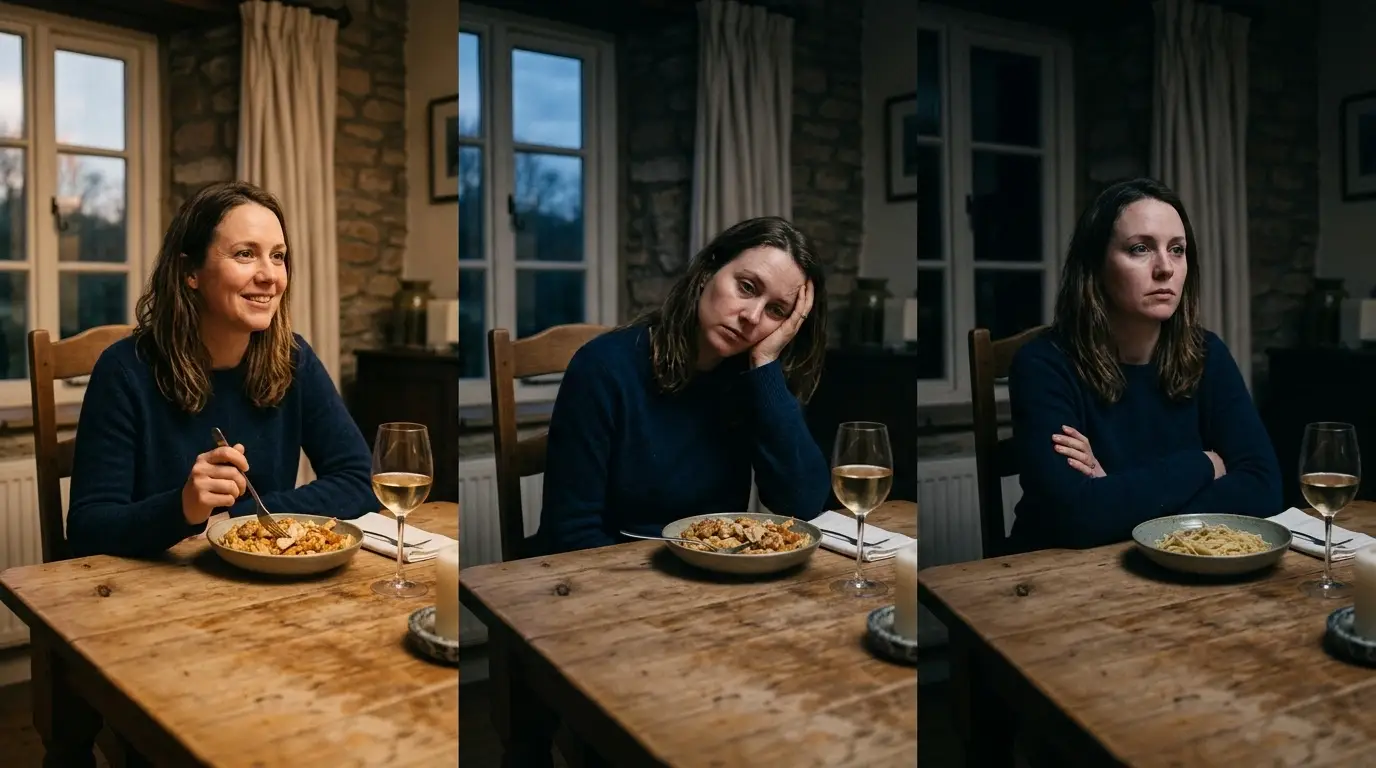
Depression can gradually worsen over time when the underlying causes are not addressed, making symptoms more intense and harder to manage.
Ongoing Stress and Life Pressure
When depression is left untreated, the everyday stresses of life hit harder. Work pressure, relationship problems, financial worries, and daily responsibilities feel much heavier when your brain is already struggling. Stress and depression feed each other in a cycle that gets harder to break the longer it runs.
Poor Sleep and Fatigue
Depression disrupts sleep in ways that make everything else worse. You may sleep too much or not enough. Either way, you wake up exhausted. That exhaustion lowers your ability to cope, makes negative thoughts feel more overwhelming, and slowly chips away at your energy and motivation to seek help.
Social Isolation
One of the most painful parts of depression is that it pushes people away from the very support they need. When you are depressed, reaching out feels impossible. Social situations feel exhausting. So you withdraw. And that isolation makes the depression heavier, because human connection is one of the most powerful things that helps people heal.
Negative Thought Patterns
Untreated depression reinforces negative ways of thinking over time. You start to believe the thoughts that tell you nothing will get better, that you are the problem, that there is no point in trying. The longer these patterns run without being challenged through therapy or support, the more deeply they become ingrained and the harder they are to shift.
Substance Use (Alcohol or Drugs)
Many people with untreated depression turn to alcohol or drugs to manage how they feel. It makes sense at the moment. It numbs things. But substance use makes depression worse over time, interferes with any treatment that is eventually sought, and adds a whole new layer of problems to an already difficult situation.
Co-Occurring Anxiety
Depression and anxiety frequently show up together, and untreated depression makes this more likely. Constant worry, emotional instability, and a growing sense of dread can develop into a co-occurring anxiety disorder, which then makes both conditions harder to manage than either one alone.
Lack of Support or Treatment
Depression without any form of treatment, whether that is therapy, medication, lifestyle support, or even just honest conversations with people who care, tends to worsen steadily. The brain needs help to correct the chemical and emotional imbalances that depression creates. Without that help, those imbalances deepen.
Physical Health Problems
Depression does not stay in your head. Untreated depression is linked to a weakened immune system, heart problems, chronic pain, and a higher risk of other serious illnesses. It can make existing health conditions like diabetes worse. Cognitively, ongoing depression is also connected to memory and concentration problems that tend to ease once symptoms are treated. And when your physical health declines, your mental health follows, creating a cycle that becomes increasingly difficult to break.
What the Research Says: Recovery Rates With vs. Without Treatment
Without treatment, a widely cited meta-analysis in Psychological Medicine found that roughly 53% of adults with untreated depression showed improvement within 12 months, meaning nearly half were still symptomatic after a full year of waiting. Recovery rates like this also vary a lot by severity, since studies of this kind tend to underrepresent people with more severe depression.
With treatment, the picture changes significantly. A 2021 meta-analysis in Acta Psychiatrica Scandinavica found that psychotherapy produces a response rate of roughly 41% within about two months, compared to just 16 to 17% in usual-care and waitlist control groups over the same period. About one-third of patients reached full remission after therapy, compared to only 7 to 13% in control conditions. A separate 2024 meta-analysis found that psychotherapy, alone or combined with medication, lowered relapse and recurrence rates compared to medication alone, suggesting that therapy builds coping skills that keep protecting against depression after treatment ends.
The takeaway: waiting is not a neutral choice. The longer depression goes untreated, the more it can alter brain chemistry, making the condition more resistant to treatment by the time someone does seek help.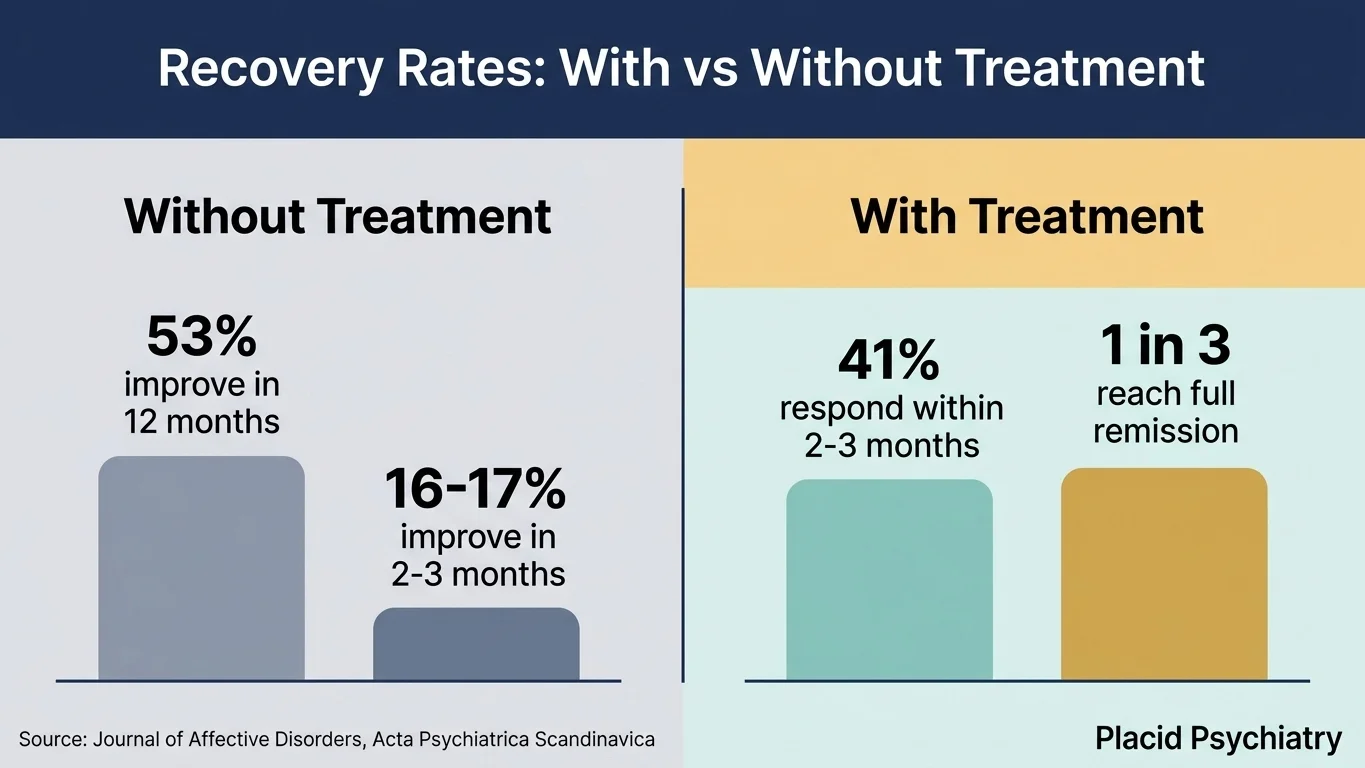
Here’s how the numbers compare side by side:
| Without Treatment | With Treatment | |
|---|---|---|
| Improvement within 2 to 3 months | 16 to 17% | 41% |
| Full remission | 7 to 13% | About one-third |
| Improvement within 12 months | Roughly 53% (still leaves nearly half symptomatic) | Higher and faster, with fewer relapses |
| Relapse risk over time | Higher, especially with medication alone | Lower, especially with therapy or combined care |
These numbers aren’t meant to say untreated depression never improves. They show that treatment shortens the timeline, increases the odds of full remission, and lowers the chance of the same episode coming back.
Signs That Depression Is Getting Worse
Here are the signs that depression may be getting worse and that it is time to take action.
- Loss of interest in activities that used to bring you joy no longer feel worth doing. Hobbies, plans, people you once looked forward to seeing, all of it starts to feel pointless.
- Increased sadness or hopelessness The sadness feels deeper than before and the idea that things could actually get better feels further away. You may find yourself thinking that this is just how life is.
- Changes in sleep or appetite You are sleeping far too much or barely at all. Your appetite has shifted and your weight has changed without you trying. Neither extreme feels within your control.
- Low energy and motivation Basic tasks like showering, cooking, or answering a message feel like enormous efforts. Your mind and body are genuinely exhausted in a way that rest does not fix.
- Trouble concentrating Making simple decisions feels hard. Following a conversation, finishing a task, or remembering things you normally would not forget becomes a daily struggle.
- Thoughts of self-harm or suicide This is the most serious sign and the one that needs immediate attention. If these thoughts have started to appear, even quietly, please reach out to someone today.
If you are having thoughts of self-harm or suicide right now, please call or text 988 (Suicide & Crisis Lifeline), available 24/7 in the U.S. You do not have to wait for an appointment to get support.
What Happens If Depression Is Left Untreated?
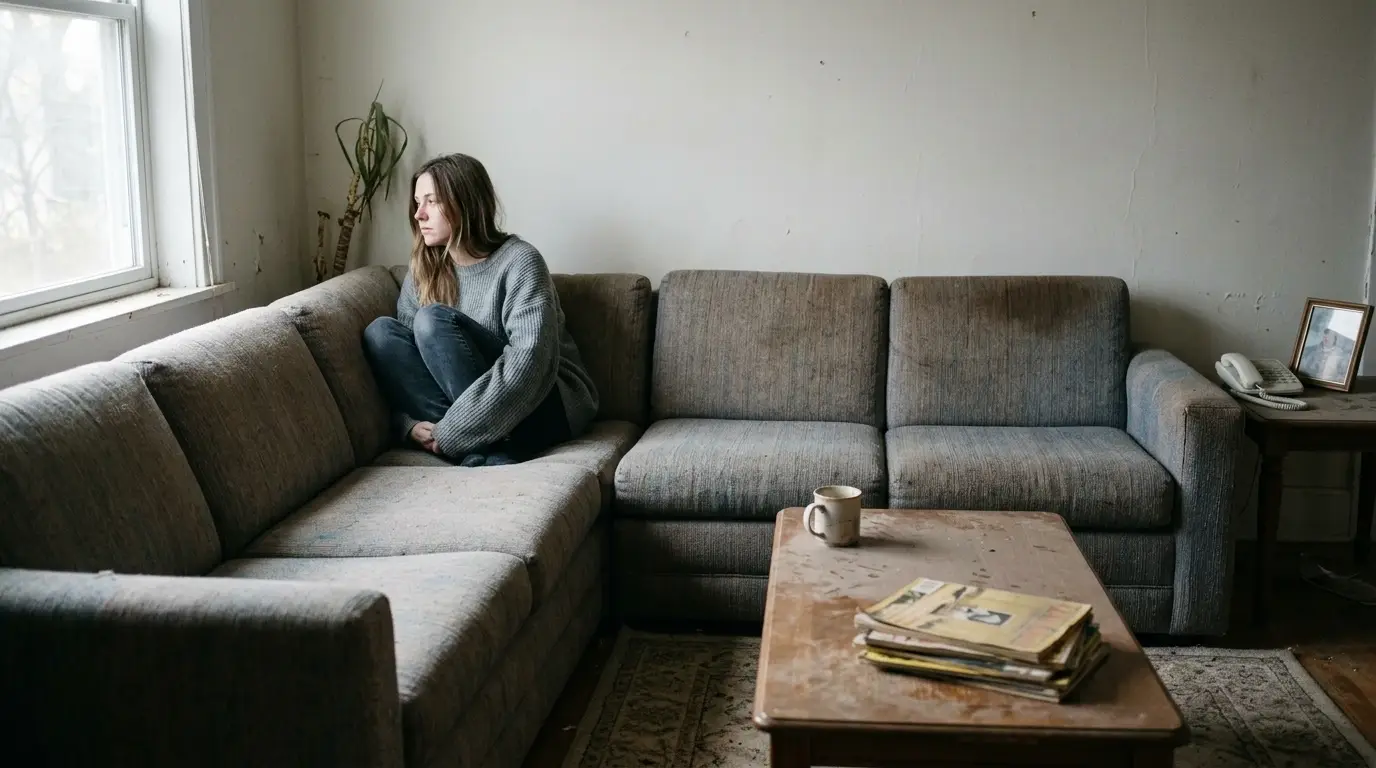
At work or school, it becomes harder to concentrate, meet deadlines, or show up consistently. Productivity drops and the gap between where you are and where you want to be grows wider, which feeds the depression further. In relationships, depression creates distance. You stop communicating, you cancel plans. You pull back from people who love you without meaning to. Over time, those relationships strain under the weight of something that was never explained or addressed.
Physically, untreated depression increases the risk of heart disease, weakens the immune system, and has been linked to a higher chance of developing dementia later in life. It is not just a mental health issue. And at its most severe, untreated depression carries a real risk of suicide. Depression accounts for a significant number of suicide deaths every year. Getting help early can prevent things from ever reaching that point.
The Financial Cost of Waiting
Untreated depression has a real financial impact that’s easy to overlook. Missed workdays, reduced performance, and passed-over promotions add up in lost income. On top of that, untreated depression often leads to higher medical costs down the line, from managing physical symptoms to emergency care during a crisis. Addressing depression early is almost always less costly, financially and emotionally, than managing its long-term consequences.
How Depression Is Treated
The good news is that around 80 to 90% of people who seek treatment for depression eventually respond well to it. Therapy, particularly cognitive behavioral therapy, helps identify and challenge the negative thought patterns that keep depression going.
Medication helps correct chemical imbalances in the brain and makes a significant difference for many people, especially when combined with therapy. Lifestyle changes like regular movement, consistent sleep, and building social connection support recovery in ways most people underestimate. And having people around you who show up consistently is one of the most protective things a person with depression can have.
Here’s a closer look at what evidence-based depression treatment actually involves:
- Cognitive Behavioral Therapy (CBT) – Identifies and reshapes the negative thought patterns that keep depression going. It’s one of the most researched and effective therapies for depression, and the skills you learn stay with you after treatment ends.
- Medication Management – Antidepressants help correct chemical imbalances in serotonin, dopamine, and norepinephrine. A psychiatrist can find the right medication and dosage for your specific symptoms, adjusting as needed.
- Spravato (Esketamine) – An FDA-approved option for treatment-resistant depression, used when traditional therapy and medication haven’t provided enough relief.
- Holistic and Lifestyle Support – Exercise, nutrition, sleep hygiene, and mindfulness practices don’t replace clinical treatment, but they meaningfully support it and are often built into a comprehensive care plan.
- Ongoing Psychiatric Care – Regular follow-ups let your provider track what’s working, adjust your plan, and catch warning signs before symptoms escalate again.
Self-Help Strategies You Can Start Today
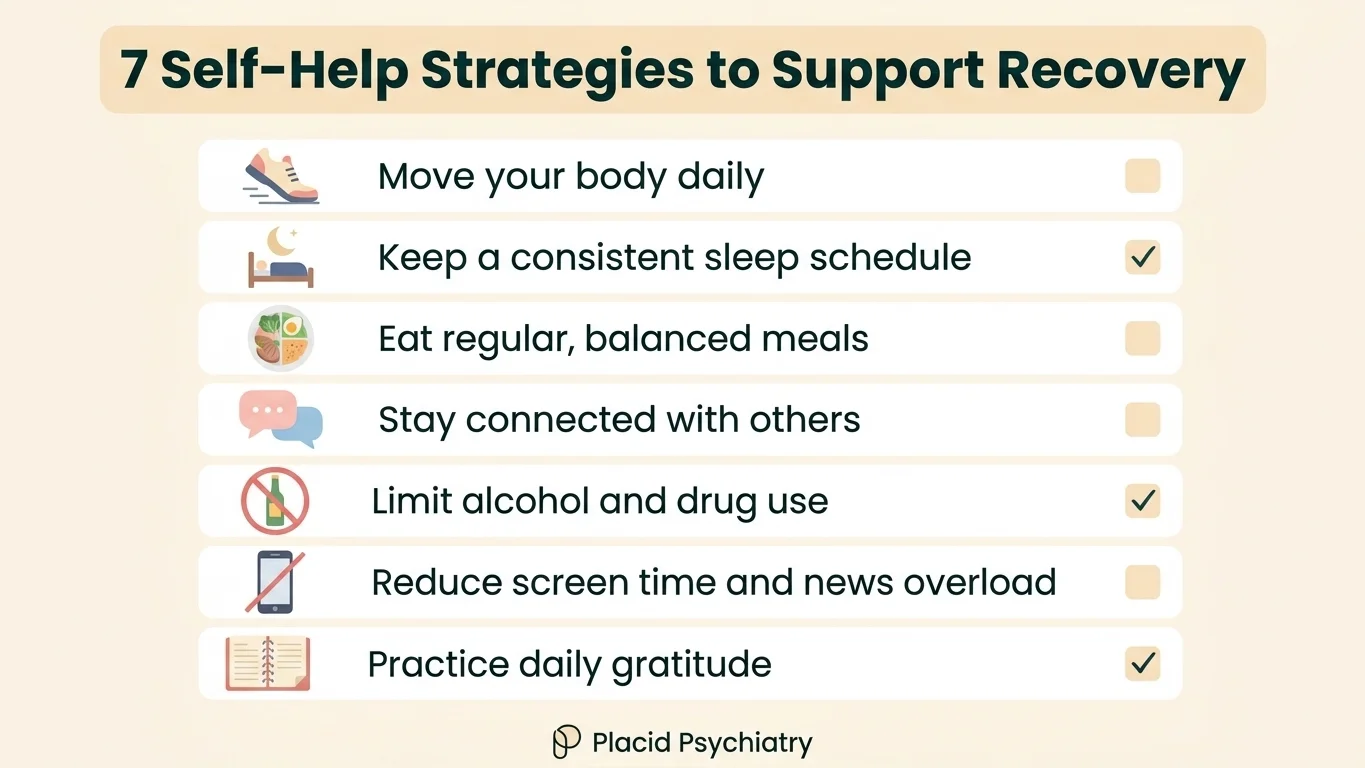
While self-help alone usually isn’t enough for moderate to severe depression, these habits can meaningfully support recovery alongside professional treatment, or help you manage mild symptoms while you decide on next steps:
- Move your body, even 20–30 minutes of walking most days can measurably improve mood over time.
- Keep a consistent sleep schedule, going to bed and waking up at the same time helps regulate the mood-related chemicals disrupted by depression.
- Eat regular, balanced meals, skipping meals or relying on processed food can worsen fatigue and low mood.
- Stay connected, reach out to one person, even briefly, on the days it feels hardest. Isolation feeds depression; connection interrupts it.
- Limit alcohol and drug use, these substances worsen depression symptoms over time, even when they offer short-term relief.
- Reduce doom-scrolling and news overload, constant negative input can deepen hopelessness.
- Write down one thing you’re grateful for each day, small, but shown to support mood over time when done consistently.
What You Can Do If Your Depression Is Getting Worse
Start by telling someone, a friend, a family member, a doctor. Saying the words out loud is one of the hardest and most important steps you can take, seek professional help. A primary care physician or mental health professional can help you understand your options.
You do not need to have everything figured out before you make that appointment. Build small daily habits like a short walk, a regular bedtime, or one home cooked meal. They feel small but they add up. And resist the pull toward isolation. Even when reaching out feels impossible, connection is one of the things that helps most.
When Should You See a Doctor?
If your symptoms have lasted more than two weeks, it is time to speak to a doctor. That is the general guideline and it exists for a good reason. If depression is affecting your ability to work, maintain relationships, or take care of yourself, do not wait longer. If thoughts of self-harm or suicide have entered the picture at any point, seek help today. Asking for help is not a weakness. It is one of the most rational and courageous things a person can do when they are not well.
If you are in crisis, call or text 988 (Suicide & Crisis Lifeline) or go to your nearest emergency room. For ongoing care, Placid Psychiatry offers both in-person appointments in Fullerton, CA and telehealth across all 50 states, so help is available no matter where you’re located.
Common Myths About Depression
Misunderstanding depression is part of why so many people wait too long to get help. Here are a few myths worth clearing up:
- “You can just snap out of it.” Depression is a medical condition involving real changes in brain chemistry, it’s not something willpower alone can fix, any more than willpower can fix a broken bone.
- “It’s just laziness or a bad attitude.” Low motivation in depression is a symptom, not a character flaw. The exhaustion is real, even when there’s no physical cause.
- “Talking about it makes it worse.” Avoiding the topic tends to deepen isolation. Talking to a trusted person or professional is consistently linked to better outcomes, not worse ones.
- “Medication changes who you are.” Psychiatric medication is designed to correct imbalances, not alter your personality. Most people describe feeling more like themselves, not less.
- “If it hasn’t gotten better by now, it never will.” Depression, even long-standing depression, responds to treatment. Recovery is possible at any stage.
Key Takeaways
- Depression rarely improves on its own without treatment, especially moderate to severe cases.
- Only situational, grief-related, seasonal, or very mild depression tends to ease naturally, and even these can turn into clinical depression if ignored.
- Untreated depression tends to deepen over time, affecting your brain, body, relationships, work, and finances.
- With treatment, 80 to 90% of people respond well, a stark contrast to the roughly 50% remission rate seen without any care.
- Self-help strategies support recovery but aren’t a substitute for therapy or medication in moderate to severe cases.
- If symptoms last more than two weeks or you’re having thoughts of self-harm, reach out for help today, not after it gets worse.
You Do Not Have to Carry This Alone
Depression can get worse when it is left without support. If you recognize your symptoms here, do not ignore them. Early action can make recovery easier and prevent symptoms from becoming more severe. Whether you are struggling yourself or supporting a loved one, the right mental health care can make a real difference.
At Placid Psychiatry in Fullerton, CA, we provide professional depression treatment, mental health evaluations, and personalized care plans. Our goal is to understand your condition fully before recommending treatment. If your depression symptoms have lasted more than two weeks, it is time to seek help. Contact us today to schedule your consultation and take the first step toward recovery.
Conclusion
For short-term, situational cases, sometimes, but for moderate to severe depression, the honest answer is no, not reliably, and waiting usually makes it harder, not easier, to treat. Depression doesn’t announce itself loudly. It gets quieter, then heavier, taking more of your energy, your relationships, and your health the longer it’s left unaddressed.
The research is clear on what actually works: while roughly half of untreated cases still show symptoms a year later, 80 to 90% of people who get treatment respond well, with therapy in particular cutting relapse rates significantly compared to waiting it out. That gap is the entire argument for acting early rather than hoping it resolves like a short-term low.
If your symptoms have lasted more than two weeks, are getting worse, or thoughts of self-harm have entered the picture, don’t wait for a “worse” moment to justify getting help. You’re already at the point where it matters. Call or text 988 if you’re in crisis right now.
Frequently Asked Questions
Can depression become severe if untreated?
Yes. Mild depression can develop into severe depression over time without treatment. Severe depression affects daily functioning and carries a higher risk of serious complications including thoughts of self-harm.
How fast can depression get worse?
It varies from person to person. For some it deepens gradually. For others a single stressful event accelerates it quickly. There is no single timeline which is why early support always matters.
Is untreated depression dangerous?
Yes. It is linked to physical health problems, damaged relationships, substance use, and in the most serious cases suicide. It is a medical condition that deserves medical attention.
Can lifestyle changes alone treat depression?
For very mild depression yes. But for moderate to severe depression lifestyle changes work best alongside therapy or medication, not instead of it.
What should you do if your depression is getting worse?
Tell someone. A friend, a family member, or a doctor. You do not need everything figured out before you make that appointment. Early action always makes recovery easier.
Does depression ever go away completely on its own?
Sometimes, in mild or situational cases tied to a specific life event, but this isn’t the norm, and it’s not something to count on. Moderate to severe depression almost always needs professional treatment to fully resolve, and waiting increases the risk that it worsens or becomes recurring.
Can depression come back after it improves?
Yes, depression can recur, especially without ongoing treatment or follow-up care. Research shows that combining therapy with medication significantly lowers relapse rates compared to medication alone, which is why continued care matters even after symptoms improve.
Does insurance cover depression treatment at Placid Psychiatry?
Placid Psychiatry works with many insurance plans and offers both in-person visits in Fullerton and telehealth across the U.S. Contact us to verify your coverage and discuss options before your first appointment.
Medically reviewed by the Placid Psychiatry Clinical Team