
These two experiences often get grouped together, but they’re not the same. Post-Traumatic Stress Disorder (PTSD) and Complex PTSD (CPTSD) develop differently, look different day to day, and respond best to different kinds of treatment. Understanding CPTSD vs PTSD is often the first step toward finding the right care.
If you are struggling with PTSD or CPTSD, the team at Placid Psychiatry in Fullerton, CA can guide you toward recovery. This guide explains the difference between CPTSD and PTSD in simple, easy-to-understand language.
Quick answer: PTSD typically develops after a single traumatic event and is primarily fear-based. Complex trauma (and Complex PTSD) develops from repeated or prolonged trauma, often in childhood or within relationships, and affects a person’s core sense of identity, emotional regulation, and ability to trust others.
Understanding Trauma and Its Impact on Mental Health
Trauma is not defined by what happened but by the impact it has on the person who experienced it. When it is not processed it stays in the nervous system affecting how a person thinks, feels, and relates to others.
Trauma is far more common than most people realize. According to the National Institute of Mental Health (NIMH), an estimated 6.8% of U.S. adults will experience PTSD at some point in their lives, and about 3.6% experience it in any given year, with women affected roughly twice as often as men (5.2% vs. 1.8%).
Over time this can develop into serious mental health conditions. The two most significant are PTSD and complex trauma both cause real lasting damage but develop differently and require different treatment. Understanding the difference is often the first step toward getting the right help. If you’d like a professional assessment, our PTSD Treatment team in Fullerton can help determine what you’re experiencing and the right path forward.
What Is Post-Traumatic Stress Disorder (PTSD)?
PTSD is a mental health condition that develops in some people following exposure to a traumatic event. PTSD is most commonly associated with single traumatic events: a car accident, a natural disaster or a medical emergency. Not everyone who experiences trauma develops PTSD. In fact, more than half of U.S. adults will experience at least one traumatic event in their lives, but most never go on to develop PTSD, trauma is common, but PTSD is the exception, not the rule.
How Common Is PTSD?
PTSD affects roughly 6% of people at some point in their lifetime. Women tend to experience PTSD symptoms for longer than men, about four years on average versus one, and are more likely to report emotional numbness and avoidance.
Common Symptoms of PTSD
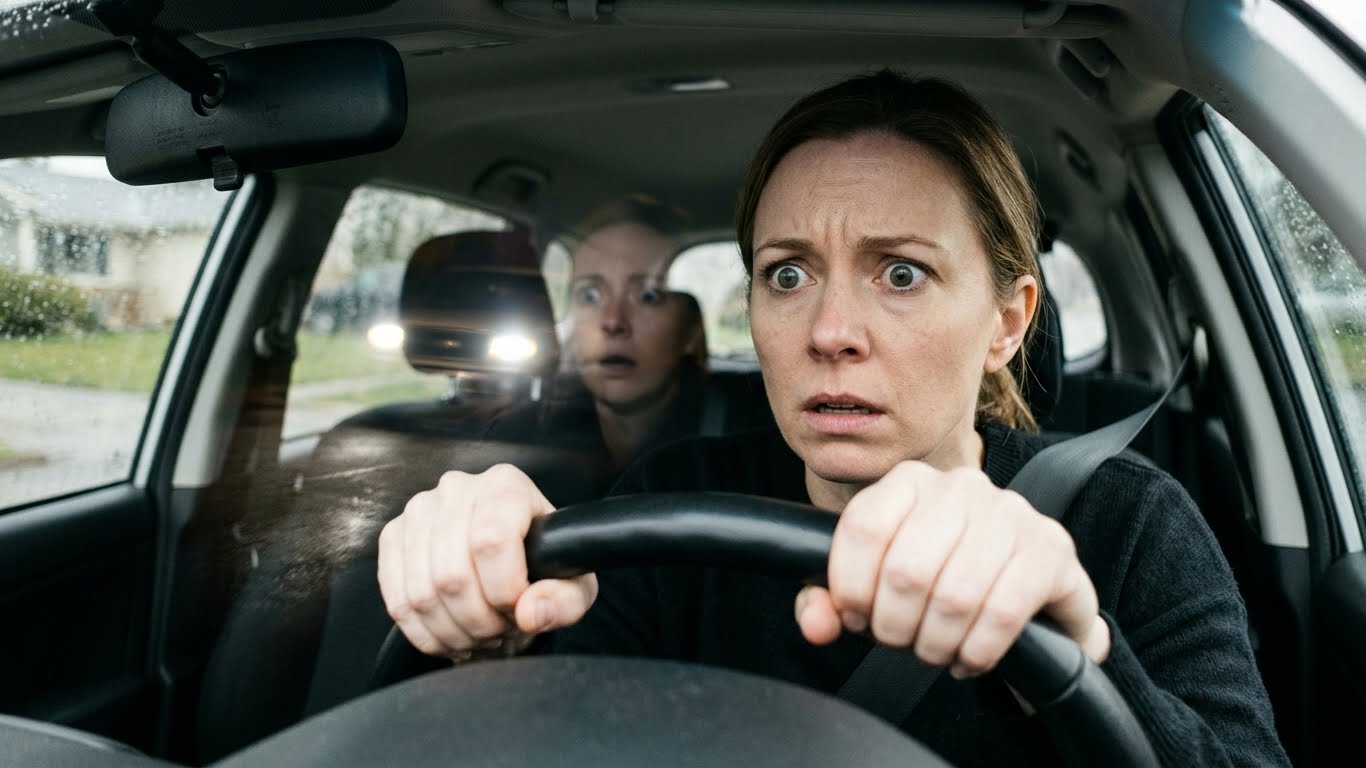
Re-experiencing Flashbacks, intrusive memories, and nightmares that make the traumatic event feel like it is happening again. These are not simply memories; they feel vivid, real, and overwhelming.
Avoidance: Deliberately avoiding people, places, or situations connected to the trauma. Over time this avoidance can significantly restrict a person’s life.
Hyperarousal A constant state of heightened alertness feeling on edge, easily startled, struggling to sleep, and unable to concentrate. The nervous system stays stuck in high alert long after the threat has passed.
Negative mood and thinking Persistent guilt, shame, emotional numbness, loss of interest in daily life, and feeling disconnected from others.
What Causes PTSD
PTSD can develop following any event experienced as deeply threatening or traumatic combat, sexual assault, serious accidents, sudden loss, natural disasters, or medical trauma. Two people can experience the same event and respond very differently. PTSD is not a sign of weakness.
Who Is Most at Risk
While PTSD can affect anyone, certain factors increase the risk of a history of previous trauma, personal history of mental health conditions, and the severity or duration of the trauma itself. Early support following a traumatic experience significantly reduces the risk of PTSD developing.
What Is Complex Trauma?
Complex trauma develops from repeated, prolonged, or multiple traumatic experiences particularly those that occur within relationships or situations from which there is no easy escape. Unlike PTSD which typically follows a single event, complex trauma builds over time.
How It Develops Complex trauma develops when someone is exposed to ongoing harm with no way to escape or find safety. What makes it particularly damaging is the relational element when the source of harm is someone who should have provided love and safety, the damage goes far deeper than fear alone. It affects the person’s fundamental sense of trust, self-worth, and identity.
Examples of Complex Trauma
- Childhood physical, emotional, or sexual abuse
- Neglect or emotional abandonment
- Growing up with a parent with untreated mental illness or addiction
- Domestic violence or coercive control
- Trafficking or exploitation
- Prolonged bullying or harassment
Long-Term Effects The effects are wide-ranging and deeply embedded in difficulty regulating emotions, chronic shame, a damaged sense of self, problems with trust and relationships, physical health conditions, and co-occurring conditions like depression, anxiety, and dissociation.
What Is Complex PTSD (C-PTSD)?
Complex PTSD or C-PTSD is a specific condition that develops in people who have experienced prolonged or repeated trauma, particularly trauma that began in childhood or occurred within close relationships.
C-PTSD is recognized in the ICD-11 as diagnostic code 6B41, a distinct condition from standard PTSD (code 6B40). The concept was first described by psychiatrist Judith Herman in her 1992 work on survivors of prolonged, repeated trauma, and has since been validated across numerous international clinical studies. It includes all the core symptoms of PTSD but adds three additional areas of disturbance that reflect the deeper and more pervasive impact of complex trauma.
C-PTSD vs DSM-5-TR: Why the Confusion Exists
C-PTSD is officially recognized in the ICD-11, which is used internationally, but not as a standalone diagnosis in the DSM-5-TR, used in the U.S. The DSM-5 partially acknowledges similar symptoms through the “dissociative subtype” of PTSD. This is why two clinicians in the same country may use different language for the same presentation, and why finding a trauma-informed provider matters more than the exact label.
Complex PTSD is believed to affect roughly 1 to 8% of the general population, but up to half of people receiving care in mental health facilities.
Symptoms of Complex PTSD
C-PTSD includes all standard PTSD symptoms plus three additional clusters:
Emotional Dysregulation Extreme difficulty managing emotions. Intense reactions that feel disproportionate, rapidly shifting moods, and difficulty returning to a calm baseline after becoming upset.
Negative Self-Concept A deeply negative view of self chronic shame, feelings of worthlessness, a sense of being permanently damaged, and a belief of being fundamentally different from other people.
Difficulties in Relationships Persistent problems with trust, fear of abandonment, and patterns of unstable relationships. Either clinging to or pushing away the people who get close.
How C-PTSD Differs From PTSD
PTSD typically develops from a single event and its symptoms are primarily fear-based. A person’s sense of self and capacity for relationships often remain relatively intact. C-PTSD develops from prolonged relational trauma.
How C-PTSD Is Diagnosed
C-PTSD is diagnosed by a qualified mental health professional through a thorough clinical assessment. The ICD-11 requires all core PTSD symptoms plus the three additional clusters to be present. It is worth noting that C-PTSD is not yet included in the DSM-5, which is why working with a clinician experienced in trauma is so important. Our Psychiatric Assessment & Treatment service is built around this kind of thorough, trauma-informed evaluation.
Key Differences Between Complex Trauma and PTSD
While both conditions develop from traumatic experiences they are fundamentally different in how they develop and how they affect a person’s life.
| Feature | PTSD | Complex Trauma |
| Type of trauma | Single traumatic event | Repeated or long-term trauma |
| Emotional effects | Fear and flashbacks | Emotional regulation problems |
| Self-identity | Usually intact | Often damaged or unstable |
| Relationships | Avoidance | Difficulty trusting others |
| Age of onset | Any age | Often childhood |
| Core impact | Fear response | Identity and relational damage |
Similarities Between PTSD and Complex Trauma
Despite their differences PTSD and complex trauma share more in common than most people realise. This is why they are so frequently confused even by clinicians without specialist trauma training.
Shared Symptoms
Both conditions involve flashbacks, intrusive memories, hypervigilance, avoidance, sleep disturbances, emotional numbness, and an increased risk of depression and anxiety.
Overlapping Causes
Both develop from traumatic experiences and both involve the nervous system staying stuck in a state of high alert long after the danger has passed. Both are also shaped by the same risk factors: previous trauma, lack of social support, and the severity of the experience. These shared roots are part of why the two conditions are so often confused.
Why These Conditions Are Often Confused
The overlapping symptoms make them genuinely difficult to distinguish without a thorough assessment. Many people with C-PTSD are initially diagnosed with PTSD, depression, anxiety, or borderline personality disorder.
C-PTSD and Borderline Personality Disorder (BPD): Why They’re Often Confused
C-PTSD and BPD share overlapping features, including unstable relationships, intense emotional swings, dissociation, and impulsivity, which is why misdiagnosis between the two is common. C-PTSD can also co-occur with depression, dissociative disorders, and anxiety, which can further complicate an accurate diagnosis. A trauma-informed clinician who takes a full trauma history is essential to telling them apart.
How PTSD and Complex Trauma Are Diagnosed
Getting the right diagnosis is one of the most important steps in the recovery process. Both conditions require a thorough assessment by a qualified mental health professional with specific experience in trauma.
Diagnostic Criteria PTSD is diagnosed using DSM-5 or ICD-11 criteria trauma exposure followed by re-experiencing and negative mood changes. C-PTSD requires all of the above plus emotional dysregulation, negative self-concept. C-PTSD is not yet in the DSM-5 so specialist trauma experience in your clinician is essential.
Role of Mental Health Professionals A thorough assessment covers trauma history, current symptoms, and daily functioning. Getting the diagnosis right matters PTSD and C-PTSD respond to different treatments and the wrong approach can make things worse.
Tools Clinicians Use to Diagnose Trauma
Mental health professionals often use standardized screening tools alongside clinical interviews, such as the Life Events Checklist, the Childhood Trauma Questionnaire, and the International Trauma Questionnaire, to assess trauma history and symptom clusters more objectively.
Treatment Options for PTSD and Complex Trauma
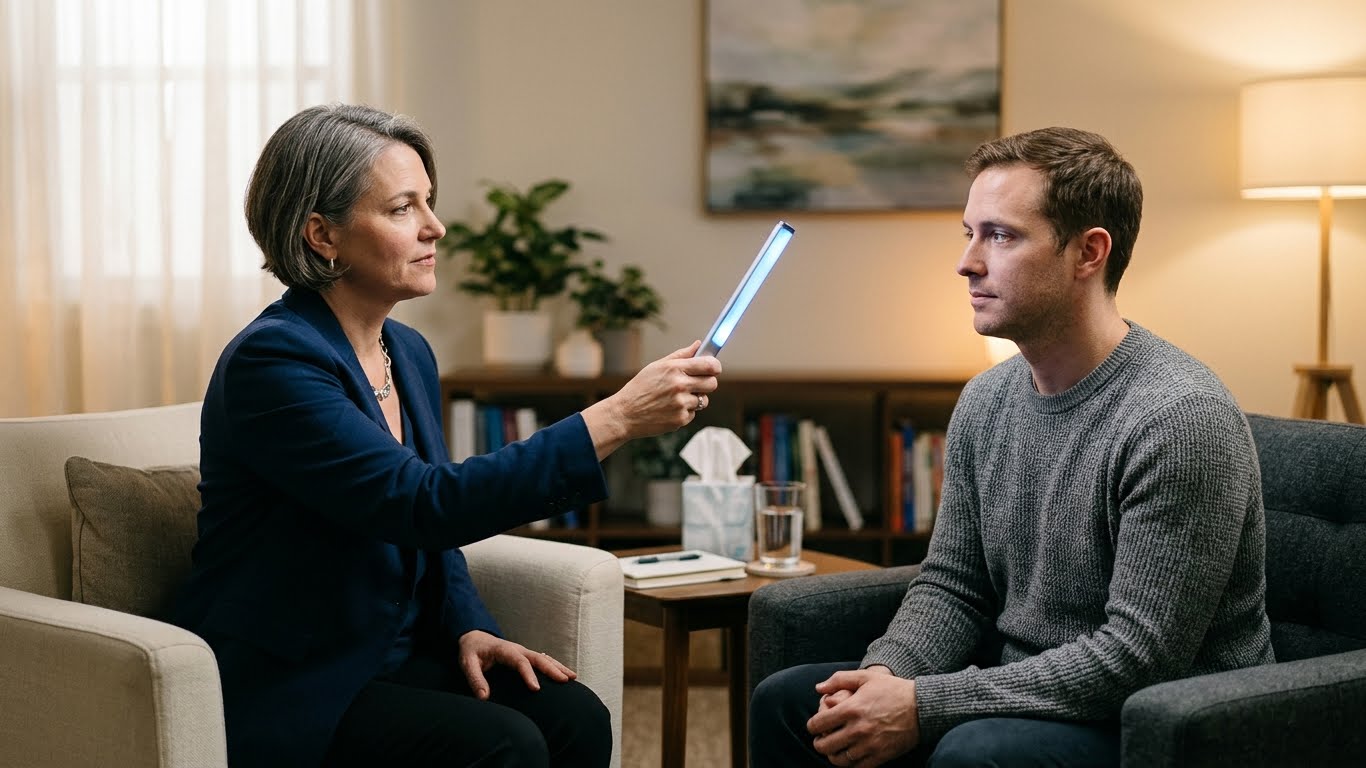
Both conditions are treatable but the approach needs to be tailored to the individual and the nature of their trauma.
Trauma-Focused Therapy
Trauma-Focused Therapy For PTSD, Trauma-Focused CBT and EMDR are the most effective approaches both help the brain process traumatic memories. The first phase focuses on stabilisation and emotional regulation before any trauma processing begins. Moving too quickly can be retraumatising rather than healing. Cognitive Processing Therapy (CPT) helps clients identify and reframe unhelpful trauma-related beliefs. Prolonged Exposure Therapy involves gradual, guided confrontation of avoided memories or situations. Narrative Exposure Therapy (NET) is especially useful for people with multiple or repeated traumas, helping them build a coherent life narrative. STAIR (Skills Training in Affective and Interpersonal Regulation) is a phase-based model that rebuilds emotional and relational skills, often used for C-PTSD. DBT (Dialectical Behavior Therapy) and group therapy are also commonly used for C-PTSD to build coping skills and a supportive community.
Medication
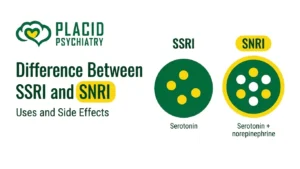
Medication does not treat the underlying trauma but can help manage symptoms. SSRIs such as sertraline and paroxetine are FDA approved specifically for PTSD. SNRIs such as venlafaxine and duloxetine may help when SSRIs aren’t enough, though they can carry more side effects. Prazosin is commonly used off label to reduce PTSD related nightmares and improve sleep, a problem that affects up to 70% of people with PTSD. Medication should always be combined with therapy, not used as a standalone treatment.
Emerging and Complementary Treatments
For people who don’t fully respond to therapy or medication alone, some clinics now offer neuromodulation options such as TMS (Transcranial Magnetic Stimulation), neurofeedback, and vagus nerve stimulation. Research is still developing, but early results are promising, especially for treatment resistant symptoms.
Self-Care and Body-Based Approaches
Alongside clinical treatment, trauma sensitive yoga, movement based therapies, and mindfulness practices can help survivors reconnect with their bodies and regulate their nervous systems. These are not replacements for therapy, but valuable additions to a treatment plan.
Long-Term Recovery
Recovery is a process not an event. It is supported by consistent therapy, safe relationships. Complex trauma recovery also involves rebuilding self-worth and learning to trust others things that may never have been adequately developed in the first place. Learn more about our approach on the PTSD Treatment page.
How Long Does Recovery Take?
Many people notice meaningful improvement in PTSD symptoms within 12 to 16 therapy sessions. Complex trauma recovery generally takes longer, since it involves rebuilding a sense of identity and trust, not just processing a single memory. Healing is not linear, and that is normal.
When to Seek Professional Help
If you are experiencing flashbacks, persistent anxiety, emotional numbness, or a deep sense of shame that will not lift it may be time to reach out. If you find yourself avoiding people or situations connected to the past, struggling to trust others, or using substances to cope with overwhelming feelings please do not wait. The longer trauma goes unaddressed the deeper its effects become. Seeking help is not a weakness, it is the most important step toward recovery.
If someone you care about is struggling with PTSD or C-PTSD, patience matters more than advice. Educate yourself on their condition, encourage (but don’t pressure) professional help, and take care of your own emotional wellbeing too. Supporting a trauma survivor can be draining without your own support system.
If you are in crisis or having thoughts of self harm, call or text 988 to reach the Suicide and Crisis Lifeline, available 24/7.
You Do Not Have to Figure This Out Alone
Recovery from trauma is possible at any age and at any point in your journey. If anything in this article has resonated with you please consider reaching out to a trauma-informed mental health professional. You do not need to have everything figured out before you ask for help. You just need to take one small step.
Get Expert Trauma Therapy in Fullerton, CA
If you’re struggling with PTSD or complex trauma, the team at Placid Psychiatry in Fullerton, CA can guide you toward recovery with trauma-informed care. Our experienced mental health professionals provide personalized therapy, including Trauma-Focused CBT and EMDR, to help you process trauma safely and rebuild trust in yourself and others. Take the first step today, schedule a consultation and start your journey toward healing and emotional well-being.
In our practice at Placid Psychiatry, we regularly see patients who’ve spent years being treated for anxiety or depression before an underlying trauma history was identified. Getting the right diagnosis often changes everything about how treatment moves forward.
Conclusion
PTSD and complex trauma are not the same and understanding the difference is often the first step toward getting the right help. PTSD develops from a single event and is primarily fear-based. Complex trauma develops over time within relationships that should have been safe and its impact goes much deeper, shaping how a person sees themselves and trusts others.
Both are real. Both cause genuine suffering. And both are treatable. If anything in this article has resonated with you please know that what you are feeling is valid and that recovery is genuinely possible.
Frequently Asked Questions
What is the main difference between PTSD and complex trauma?
PTSD develops from a single traumatic event and is fear-based. Complex trauma develops from repeated or prolonged trauma and affects a person’s sense of self, trust.
Can you have both PTSD and complex trauma?
Yes. Many people experience both. A thorough assessment by a trauma-specialist clinician will identify what is present and guide the right treatment approach.
How is C-PTSD different from PTSD?
C-PTSD includes all core PTSD symptoms plus emotional dysregulation, a negative self-concept, and significant difficulties in relationships.
Can both conditions be treated?
Yes. Trauma-Focused CBT and EMDR are effective for PTSD. Complex trauma requires a phased approach starting with stabilisation before processing traumatic memories.
When should I seek help?
If symptoms are affecting your daily life, relationships, or sense of self, it is time to reach out. Early support makes a real difference.
Is C-PTSD worse than PTSD?
Neither is “worse,” both can be deeply painful. But C-PTSD often adds extra layers of difficulty with emotional regulation, self worth, and relationships, which can make diagnosis and treatment more complex.
What is C-PTSD commonly misdiagnosed as?
C-PTSD is frequently misdiagnosed as Borderline Personality Disorder, depression, or anxiety due to overlapping symptoms. A trauma informed clinician is best equipped to tell these apart.
About the Reviewer
Jaehyun Cho, PA-C, CAQ Psychiatry, is a board-certified Physician Assistant at Placid Psychiatry in Fullerton, CA, specializing in evidence-informed psychiatric care, including PTSD and trauma treatment.
Reviewed for clinical accuracy per ICD-11 and DSM-5-TR criteria.